Common Consumer Packaging Complaints and How To Resolve Them
December 16, 2025

Packaging plays a huge role in shaping consumer perceptions about your brand and driving purchase decisions, so it’s important that your packaging design is part of a positive customer experience. What can stand in the way? Well, lots of factors.
In this article, we’ll look at the top consumer packaging complaints, share examples and show you how to resolve these issues with good product packaging. After all, happy customers are the ones who keep coming back.

1. Overpackaging
Is there anything more frustrating than opening a package only to find… more packaging? It’s essential to protect your product during shipment, of course, but overpackaging is not only wasteful, it can turn customers off your brand. Using excessive packaging materials, including fillers, can make it seem like you’re trying to trick consumers into thinking they’re getting more than they actually are, which damages their trust in your brand.
Today’s shoppers are also eco-minded, and many specifically look for sustainable packaging when they’re shopping for everything from groceries to electronics. Using more packaging material than you need to is a bad move for your brand reputation, especially if that material isn’t recycled or recyclable. When designing product packaging today, do yourself (and your customers) a favor by thinking less is more.
Examples of Overpackaged Products
Have you ever ordered something small, like a lipstick, a can opener or a USB cable, only to have it arrive in a big box all by itself? Amazon is notorious for committing this cardinal overpackaging sin, as are many other eCommerce companies. In the grocery store, individually wrapped food items are a common example of overpackaging, leading to waste and frustration. The same goes for individually wrapped anything, from cotton buds to plastic cups. Multi-layer packaging, such as a pouch inside a bag inside a box, with a few layers of bubble wrap or paper for extra padding, is also an example of excessive packaging.
To avoid pushing this consumer button, and to avoid higher material and shipping costs, opt for a packaging solution that protects your product without being wasteful. If you’re using a box, pick one that your product fits into snugly, without too much empty space to fill. Cut out any extra layers. And whenever possible, opt for recycled, recyclable, or otherwise sustainable materials. Think like Goldilocks; not too big, not too small. Just right.

2. Difficulty Opening
Okay we lied, maybe there is one thing more frustrating than opening a package to find more packaging, and that’s not even being able to get the package open to begin with. We’ve all been there. You buy something, whether from a store or online, get it home, and then commence the battle of trying to get to your shiny new thing.
Tamper-proof packaging is designed to prevent theft, but it can be incredibly hard to open, often requiring tools. Whether it contains a pair of scissors, a pair of shoes or a pear, difficulty opening a package drives consumers nuts. This consumer complaint is so common these days, it’s given rise to a new term: wrap rage. When frustration escalates to anger, hard-to-open packaging can even cause injuries, including cuts from the packaging itself or from the tools being used to try and open it. Products can also become collateral damage.
When a package is hard to open, the unboxing experience is not good. This damages your brand reputation, and makes repeat purchases unlikely. For people with certain health conditions, such as arthritis, the risk can be even higher, not to mention the frustration.
Examples of Difficult to Open Packaging
The first hard-to-open packaging that springs to mind is the clamshell, or blister packaging. You know the kind, where you can see what’s inside but you can’t get to it for the life of you. Clamshell packaging was designed to provide an added layer of security while also allowing consumers to see what they’re buying. Poorly designed pull tabs can add to frustration, and the risk of injury.
Packaging with too many layers may require tools to cut through them, especially if the layers are tightly wrapped or sealed. Vacuum sealed packages can also require excessive effort or tools to open.
When designing your packaging solution, consider how hard or easy it will be for an excited consumer to get it open. Have someone who doesn’t work in your packaging department test it out and report on any frustrating elements, then figure out a less challenging solution. It needs to be secure, yes. But the last thing you need is a disgruntled shopper taking to YouTube or Reddit to vent about their wrap rage and name your brand.
3. Deceptive Design
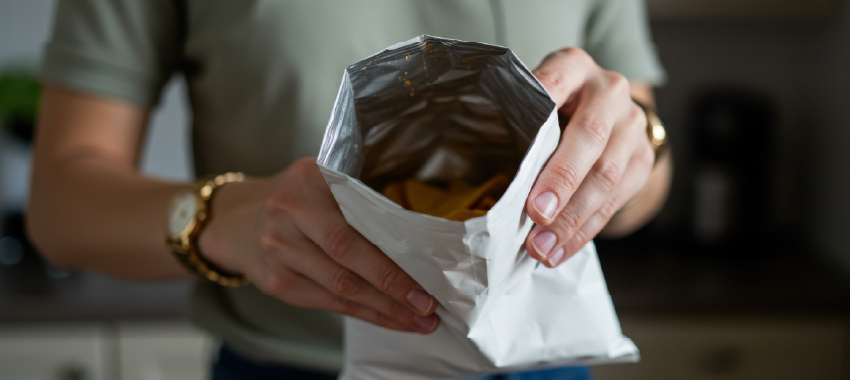
The next consumer packaging complaint is about deceptive packaging design that makes you think you’re getting one thing when you’re actually getting another. One of the things packaging is supposed to do is show shoppers what they’re buying. Words and images convey specific details, but a package’s size and shape also tell a story, which is gleaned subconsciously in a matter of seconds. A bag of chips is instantly recognizable, for example, as is a bottle of nail polish, a shoe box or a bar of soap.
When shoppers open a package to discover that they’ve been deceived by the manufacturer, they feel disappointed and angry. This damages their trust in your brand, making them unlikely to purchase from you again. They might even return the product if they feel they were deliberately deceived.
Deceptive Packaging Examples
Oversized food packaging is a common example of deceptive packaging, giving rise to the term “shrinkflation” in recent years. Have you ever opened a huge bag of chips only to discover it’s half-full at best? Food manufacturers are often accused of deliberately misleading consumers by using packaging that makes it look like you’re getting a lot more than you are. Misleading images can also suggest higher-quality contents, leaving consumers feeling disappointed.
Beauty products often come in small quantities, especially high-end products like skin serums and perfume. Sometimes a small package will be contained in a larger outer package, which makes shoppers feel like they’re getting their money’s worth, only to be disappointed when they open it and see its actual size. This tactic is also used for high-dollar food products, like luxury chocolates or organic meats. Whatever the product, the disappointment has the same reputation-damaging effect.
To avoid letting consumers down, make sure your packaging design matches what’s inside. Don’t use misleading images, words or shapes/sizes to try and sell consumers something other than what they’re actually getting.
4. Durability
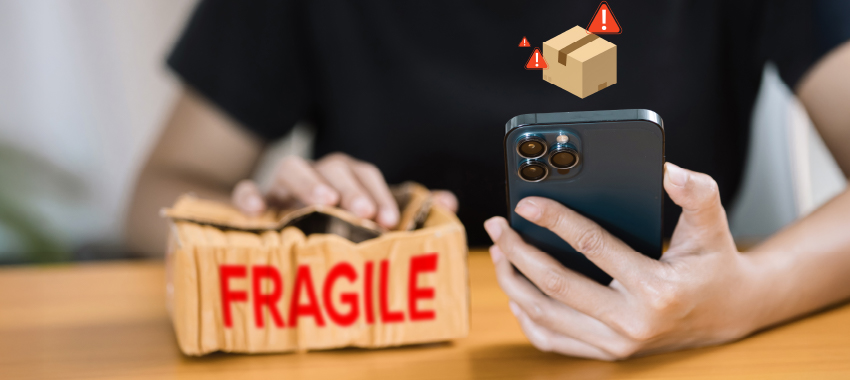
Packaging’s first and primary role is to protect the product inside. That requires strength and durability, especially when products are being shipped across the country or around the world. Flimsy packaging can be damaged in transit and fail to protect its contents, leading to breakage and returns. Even if the product is unscathed, a package that arrives looking crushed, torn or otherwise worse for wear can also damage your brand reputation because it looks cheap and shoddy.
While lightweight materials may lighten a package’s weight and shipping costs, if your packaging solution is not durable enough to withstand the stress that comes with shipping, unpackaging and last-mile transportation, whether via freight or a customer’s own vehicle, you’re risking your brand reputation and customer satisfaction. In the end, flimsy packaging may end up costing you more than you save.
Examples of Flimsy Packaging
Packaging durability depends on its contents. So, while a thin plastic mailer might offer plenty of protection for a lightweight, non-breakable item like a t-shirt or a pair of socks, it’s probably not strong enough to contain a heavy book or anything breakable. Likewise, thin cardboard can be compromised when used to contain heavy products, especially during transit. The thicker the cardboard, the more durable. Fiberboard boxes offer even less protection, making them susceptible to tearing and punctures.
To avoid the safety and satisfaction pitfalls of non-durable packaging, opt for stronger packaging materials that can support their contents, such as heavier-grade cardboard. For hefty or valuable items, consider adding additional interior padding or double-boxing. Whatever material and solution you land on, conduct stress testing before you start using it. This will help you choose the right solution and minimize the chance of damage during shipment, and resulting customer frustration.

5. Lack of Product Information
Product packaging that lacks clear or accurate information about what’s inside can lead to a number of negative outcomes. For starters, consumers may not know if your product meets their needs, leading them to look for another option or struggle to decide to make a purchase. Lack of clear information can trigger serious trust issues, which damage your brand reputation. And if the information isn’t accurate, returns and complaints are likely to ensue.
In some cases, lack of information can even pose health and safety risks — for example, if your food product contains known allergens but doesn’t clearly state this on the label. In some industries and markets, lack of clear labeling can also result in legal and regulatory issues, particularly with food/beverage and medical/pharmaceutical products.
Examples of Packaging That Lack Product Information
In the food and beverage industry, accurate information is essential. Claims like “all-natural ingredients” can be misleading if they’re not backed up by the ingredients list. Similarly, a cereal box that proclaims, “Made with whole grains” suggests whole grains are a primary ingredient, but if the whole-grain ingredients are at the bottom of the list, they probably only account for a small percentage. In some cases, lack of accurate information leads to litigation. For example, Kraft was sued by a consumer who claimed the “ready in 3 ½ minutes” claim on their Velveeta Shells & Cheese packaging was deceptive.
With more consumers opting for eco-friendly cleaning products, some brands are being called out for making false or deceptive claims about how environmentally friendly their products are. This so-called “greenwashing” includes using popular terms like biodegradable, sustainable or natural, without being able to back up the claims. Beauty products also like to make bold statements about what users can expect, such as fuller hair, clearer skin or the reduction of fine lines. But if those claims can’t be substantiated, consumers are likely to be disappointed when they don’t see results.
To avoid triggering consumer mistrust, be sure the information on your product packaging is clear, complete and accurate. Failing to include important information or being deliberately vague or misleading can damage consumer trust, and your brand reputation.
Partner with Ernest Packaging Solutions for Packaging Consumers Love
Packaging is often the first touchpoint consumers have with your brand, so it’s important to make sure when they interact with it, the experience is a good one. What are the qualities of good packaging? It should be easy to open, strong enough to arrive undamaged, and make it clear what’s inside. It shouldn’t make false claims or make people think they’re getting something they’re not.
If you need help landing on a packaging solution that does everything you need it to and doesn’t leave your customers feeling frustrated, we can help. We have tons of experience and solutions to boot, and we love helping clients solve even the trickiest packaging conundrums. If you have a challenge, let’s have a chat.