How to Handle Packaging Material Shortages
April 01, 2026

Material shortages can strike anytime. They’re often unexpected and can throw a serious wrench into your distribution chain. That’s why it’s essential to plan ahead so you know how to pivot in a pinch and keep your operation moving, even when you’re short on some materials or products. In this article you’ll learn strategies to deal with packaging material shortages so you’ll be ready for whatever happens.

Packaging Supply Chain Shortages
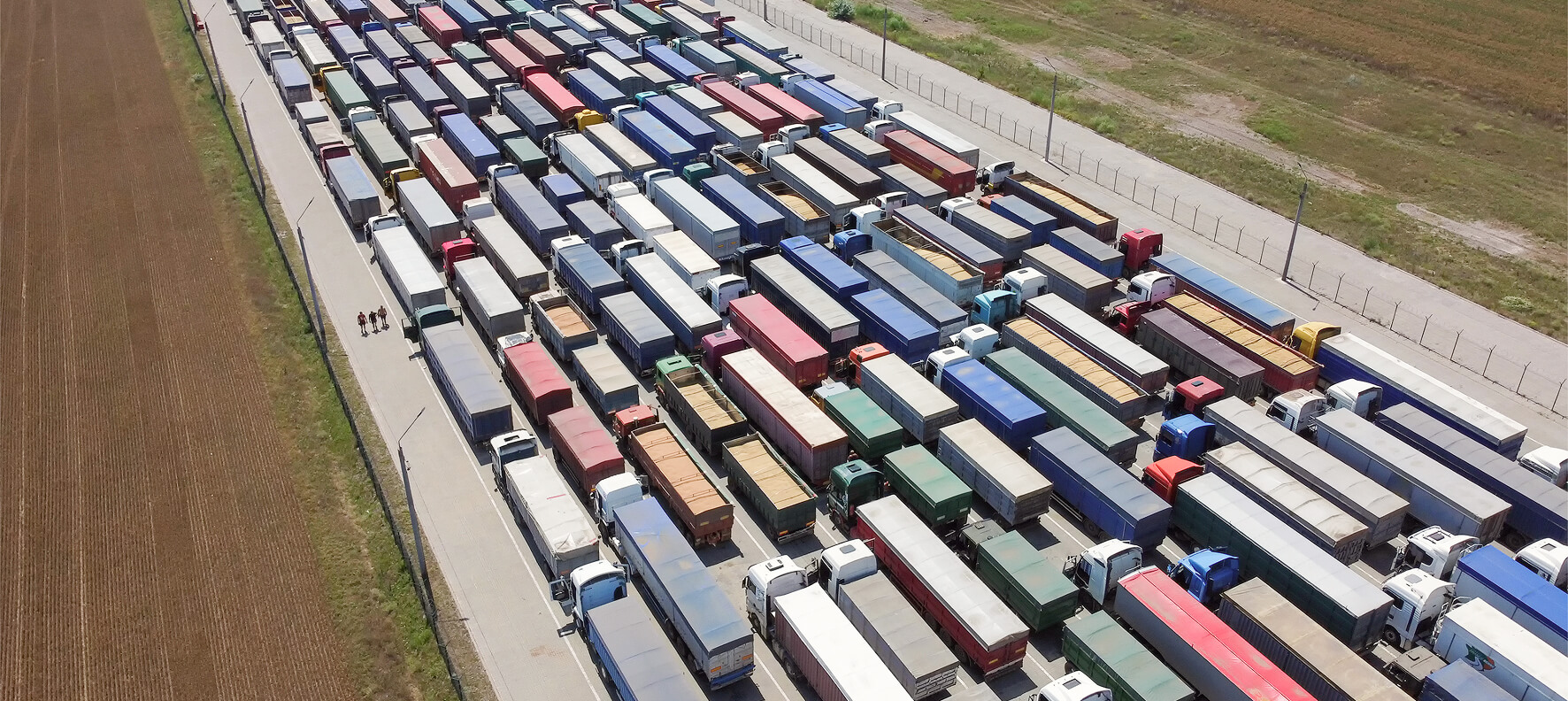
In today’s global economy, supply chains can be pretty complex, with various elements coming from far and wide. Making sure you have everything you need to keep your operation running smoothly means you have to coordinate packaging material orders and deliveries from all over the place. And, if any one of those materials is in short supply, or gets held up, or prices suddenly skyrocket, it can throw off your whole operation.
Packaging material shortages can happen anytime, triggered by a wide range of factors. Economic uncertainty and market instability. Weather events, which are becoming more frequent due to climate change. Lost or delayed shipments. Unexpected commodity shortages, longer than expected lead times and issues with inventory or forecasting accuracy.
So how exactly do these issues affect your supply chain? Inflation and other economic pressures can drive up the cost of many of the packaging materials that distributors rely on, from paper and cardboard to plastic and pallets. Rising oil prices can lead to higher plastic costs. Supply chain disruptions, whether due to shipping issues, delayed deliveries or commodity shortages, can impact corrugated cardboard supplies. With so many moving parts, small events can lead to big problems.
How to Overcome Packaging Material Shortages
There’s no silver bullet for solving material shortages, but there are a number of things you can do to help you weather the storm when a shortage strikes. With decades of experience under our belts, here are the strategies we recommend:
- Collaborate with Suppliers
- Increase Access to Suppliers
- Improve Accuracy of Forecasting
- Improve Accuracy of Inventory Data
- Plan Ahead and Expedite Materials
- Create Shortage Management Processes
Collaborate with Suppliers
With supply chain demand at an all-time high, suppliers have the upper hand when it comes to deciding who they want to work with and which customers take priority. Strengthening your relationship with any vendor that provides you with packaging materials is a smart move, and an effective way to make sure you stay at the top of their list.
One way to do this is by checking in with suppliers regularly. Not only does this let them know you care, it has the added benefit of letting you keep your finger on the pulse and be the first to know when potential shortages might be cropping up. That way, you can plan ahead and prevent any fallout for your own distribution chain.
At Ernest, we’ve always said we’re not in the packaging business—we’re in the relationship business. In the face of supply chain disruptions and material shortages, this is a good thing to remember. Everyone you do business with is a person, and every person likes to be treated with respect and made to feel valued. Building strong relationships with suppliers can help you avoid coming up short on key materials. Plus, it’s just a better way to do business.

Increase Access to Suppliers
When you only work with a handful of suppliers, you’re really at their mercy. If any one of them has a shortage, you may find yourself up the creek without a proverbial paddle. Fortunately, there’s a simple way to avoid shortages stemming directly from individual suppliers: work with more suppliers.
Expanding your network and increasing access to suppliers gives you options, which is clutch when one or more of them experiences supply chain disruptions or shortages. It’s also a good idea to work with suppliers in different regions, including some who are local. This will allow you to quickly respond to sourcing shortages triggered by extreme weather, geopolitical events and other region-specific issues.
Improve Forecasting Accuracy
The two sides of the distribution chain coin are supply and demand. While you may not be able to predict what will happen on the supply side, there are things you can do to improve how accurately you can forecast demand. This in turn lets you stay one step ahead of any supply chain shortages, because you can make sure you have enough inventory on hand to cover your expected short-term needs.
To improve forecasting accuracy, you might want to invest in modern, cloud-based technology for tracking orders, sales and inventory management. The ability to combine data from multiple systems or locations gives you an even better idea of what to expect. An agile system should also allow you to account for variability, so you can see different likely scenarios and be prepared for whatever may come.

Improve Accuracy of Inventory Data
This is a simple equation: when your inventory is off, you’re more likely to run out of packaging materials. And if an unexpected outage coincides with a material shortage, whether due to shipping delays, price hikes or commodity shortfalls, what starts out as a small problem can quickly snowball into a major distribution challenge.
Making sure your inventory data is accurate and up-to-date can help you plan ahead and better manage your supply chain and prevent disruptions. Take regular stock of what you have on hand. Better yet, invest in a system that automatically tracks and updates your inventory, so you don’t have to worry about manual mistakes or miscounts.
If you want to take this task off your plate entirely, consider outsourcing your inventory management to a proven partner. Ernest’s just-in-time inventory management is an easy way to take the stress out of making sure you’re always stocked up.
Plan Ahead and Expedite Materials When Necessary
When both your forecasting and your inventory are accurate, you can plan ahead to make sure you have everything you need, including backup inventory for any materials that are likely to run into supply issues. Planning should take into account all the factors that might impact availability and delivery. For example, if you’re sourcing materials from an overseas market, factor in things like potential weather, fluctuating trade policies or geopolitical conflicts that might affect your suppliers.
If you do identify a pending issue, consider paying a premium to expedite shipping so you can get what you need before supplies run short. While this may seem like an unnecessary expense, expediting materials can help you get ahead of a shortage that has the potential to ripple out through your distribution chain, causing a chain of delays and losses. With packaging material shortages quickly compounding into all kinds of other distribution troubles, the cost of expedited shipping will be well worth it in the long run.
Create Management Processes
No matter how well you forecast, plan and manage your inventory, you may still run into material shortages now and then. The best way to resolve these issues is to be prepared. Clearly defining and establishing management processes will help your team know what to do when faced with a material shortage.
For example, centralizing packaging specifications improves visibility across your entire organization, making it easier to anticipate and resolve issues. Investing in digital technology to centralize inventory management, demand forecasting and material needs will also help you mitigate potential supply chain risks. And following up to figure out the root cause anytime there is an issue will help you take steps to prevent the same thing from happening again.
Partner with Ernest for Effective Packaging Solutions
At Ernest Packaging, we’ve been dealing with supply chain management and distribution operations for almost 80 years. We’ve literally seen it all. Whatever packaging material shortage you’re facing, our team of experts can help you come up with effective, efficient and creative ways to resolve the issue and keep your products flowing out into the world. We’d love to talk to you about our supply chain management solutions and set you up for success, no matter what issues come your way. Drop us a line today and let’s talk about what we can do for your business.