Product Packaging Design: A Detailed Guide
April 01, 2026
Product packaging has a lot of roles to play for your business. In addition to protecting products on the sometimes-rocky road from your warehouse to your customer’s doorstep, it has to make a good first impression—especially if your primary brand presence is online. Packaging is a brand ambassador, engagement driver, product protector and key communicator. Plus, it has to look good, fit your budget and gel with your brand values.
If that sounds like a tall order, never fear. The Ernest packaging design experts are here to save the day. In this article, you’ll learn all about the nuances of packaging design including what factors to consider, what processes you’ll go through and what benefits you can expect. Let’s dig in.

What is Product Packaging Design?
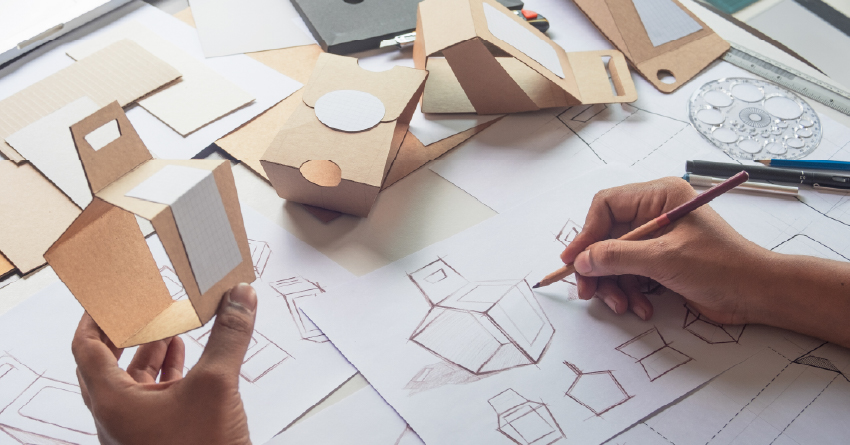
Product packaging design refers to the process of creating the container you use to package and ship your products in. This includes designing visual elements that will determine how it looks as well as structural elements that define its function. It’s a mix of art and science, and finding the right balance can be tricky.
In the ecommerce world, product packaging is often the first point of contact shoppers have with your brand, so it’s especially important to get it right. You want a smooth, satisfying unboxing experience. The design needs to represent and reinforce your brand visually, in a way that’s memorable and meaningful. And of course, it’s crucial that your product arrives intact—all of which hinges on your packaging design.
Packaging is equally important in traditional retail, where it has the added job of attracting the eye of busy shoppers who are scanning shelves full of similar products. For in-store display, you need a packaging design that stands up and stands out, telling shoppers everything they need to know about both the product and your brand, and why they should choose what you’re offering over the competition.
Product Packaging Layers
When designing new product packaging from scratch, it can be hard to know where to start. A simple (and smart) way to approach the project is by breaking it down into the three common layers that typically make up packaging. Think about both the form and function of each layer, and how they will work together to create the kind of customer experience you’re aiming for.
Primary Layer
Primary packaging is the layer that contains the product itself. Its primary job is to protect and contain the product it holds and maintain its quality. At the same time, this layer is usually where customers expect to find the most important information about whatever’s inside. Product details could include ingredients and nutritional information, size and weight or even important safety information. Visual branding also tells a story, and if regulatory information is required, the primary layer is where it’s usually found.
You likely interact with many different kinds of primary packaging every day. The bottles that contain your shampoo, conditioner and lotion, for example. The bag your bread comes in. The box you pull tissues out of. Even the bag your potato chips come in. All these examples do a good job of both protecting the product and communicating key info.
Secondary Layer
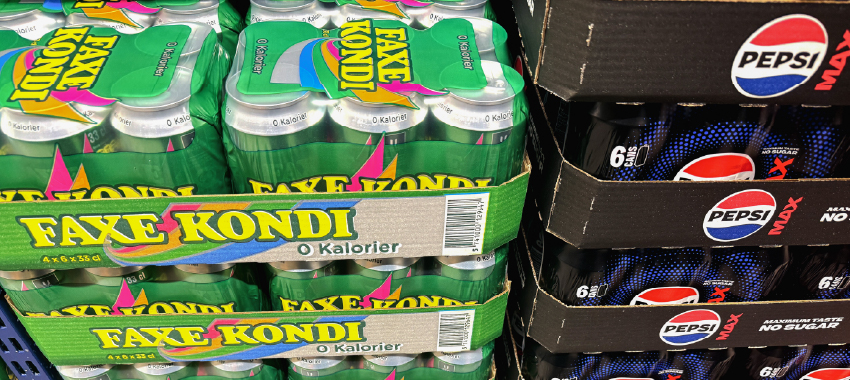
The next layer of packaging is generally designed to keep products, which are already contained in the primary packaging layer, together and protect them during shipment. So, for example, if we think about cans of soda, they’re usually sold in either a six-pack or in a case of twelve or twenty-four. In this case, the box or the six-pack rings that hold the cans together during shipment are examples of the secondary packaging layer.
The job of this layer is to protect products as they move through the supply chain, from the warehouse to the retailer or directly to the consumer. For products that are sold in brick-and-mortar stores as opposed to online, secondary packaging also has to attract the eye of passing shoppers, so visual branding and shelf appeal are important. If the product is going to be displayed in store, the secondary packaging needs to stand up on the shelf or on the warehouse floor, so take care with engineering a design that not only looks good, but stands out against the competition.
Tertiary Layer
Tertiary packaging provides an additional layer of protection that’s specifically designed to protect products during transit. Common examples include pallets, crates, heavy-duty cardboard boxes and plastic wrap. Even shipping containers can be classified as tertiary packaging.
This layer needs to be sturdy enough to withstand the pressures of freight and shipping, which can include stacking, bouncing around and absorbing unexpected impact as packages are flown, driven or shipped around the world.
Consumers are less likely to come into contact with tertiary packaging, as it’s often removed in the warehouse before products are put on the shelf or shipped to customers. However, some big-box chain stores use tertiary packaging for display purposes. So, if you’ve ever shopped at a Costco, Sam’s Club or Ikea, you’ve probably seen it in the wild.
The Functional Aspects of Product Packaging Design
No matter how good your packaging looks, if it doesn’t do a good job of protecting your product, it’s not going to help your business. Let’s look at the most important functional aspects you should consider when designing product packaging.
Durability
Packaging needs to be able to withstand the rigors of transportation. This can include bouncing around on the back of a truck or cargo plane, encountering moisture, extreme temperatures, and stressors like stacking, falls and other unexpected impacts.
Choosing the right material and shape for your packaging is essential to ensuring it’s durable enough that your product arrives undamaged and all in one piece. (Don’t worry, we’ll come back to how you can assess durability later.)

Preservation
For fresh food and beverage products, it’s critical that your packaging is designed to prevent spoilage, extend shelf life and ensure quality. You can keep products fresh using sealed packaging such as modified atmosphere packaging, for example, which is designed to keep out spoilage-inducing oxygen.
Other factors to control for to prevent contamination and spoilage include light, temperature and pests. So, take into account all of the environmental factors that could impact your product during shipment and design your packaging to keep them at bay.
Branding
Packaging plays a key role in reinforcing your brand image and representing your brand values. The most important visual aspects are things like your logo and brand colors, which should be consistent across your brand presence everywhere to make it more recognizable.
You can also use packaging to show that you don’t just talk about your brand values, you live them. For example, if sustainability is important to your company, opt for recyclable packaging materials, minimize material waste or design your packaging to be reusable.
Packaging design offers an opportunity to get creative and really make an impact, so take advantage and think outside the… well, you know.
Communication
In addition to communicating your brand’s values, your packaging should also tell potential customers everything they need to know about the product inside. This includes things like size, weight, origin and ingredients.
And don’t forget the basics—what are you selling, what is it used for and why should they choose your product over the competition? Unless your packaging design is completely clear, shoppers will look to the primary packaging to find out everything they need to know. Use clear, concise language and avoid jargon.
Convenience
When designing your product packaging, think about how and where it will reach your customers and design for maximum convenience. If you’re mainly selling in retail stores, your packaging should be designed to display nicely on the shelf and be easy for customers to grab and throw in their cart or bag. Getting it out of the car when they get home shouldn’t be a chore either.
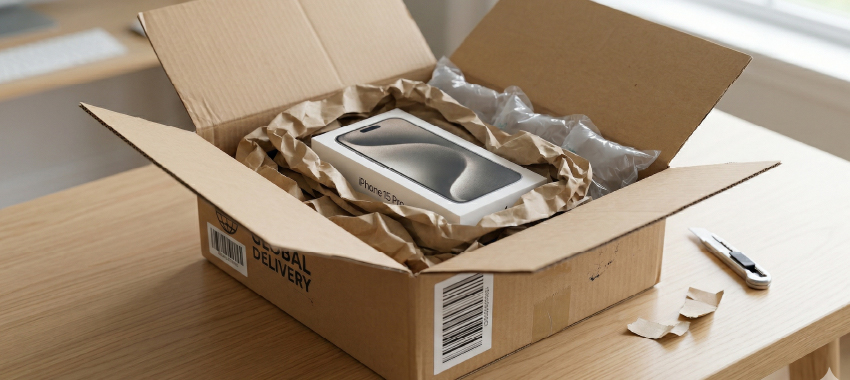
If you sell online, packaging should be easy to ship and provide a satisfying unboxing experience when it lands on the customer’s doorstep. Striking the right balance between staying closed during shipment and being easy to open on arrival can be a challenge, so be sure to do some road testing before you go to market.

Sustainability
Consumers today are increasingly eco-savvy. In many cases, they’ll opt for green packaging whenever possible and may even be willing to pay more for products packaged sustainably vs. single use packaging, especially plastics. So be sure to consider how you can minimize the environmental impact of both processes and materials when designing your product packaging.
This is even more important if sustainability is a core value for your brand. Fortunately, there are lots of ways you can go green. Opt for recyclable packaging materials, streamline your design to minimize material waste or come up with a concept for a reusable packaging design. And don’t forget to show shoppers how sustainable your packaging using well-known symbols or clearly visible words like “eco-friendly” and “100% recyclable.”
Security
Have you ever received a package only to find it’s been tampered with, or unpacked your shopping bags and discovered something you bought was already opened? Neither of these make for a good customer experience, which is why security is also a critical function of packaging design.
In addition to preventing theft and counterfeiting, secure packaging protects against contamination. Consider features such as tamper-evident seals and tapes, which make it obvious when a package has been tampered with, and child-resistant closures. Watermarks are a good way to show authenticity. More sophisticated features like QR codes, microprint and holograms can be used to secure high-end products and confirm authenticity.

How to Design Product Packaging: Best Practices, Insights, and Strategies
Not to toot our own horn, but we’ve been designing product packaging for a long time. Over 75 years, in fact. And in that time, we’ve pretty much seen it all—the good, the bad and the ugly. So, we definitely know a thing or two about best practices for packaging design.
Understand Your Marketplace Dynamics
We live in a fast-paced world where one of the only constants is change. Marketplace dynamics, including consumer preferences, fluctuating competition, demand for sustainability and economic factors, are always evolving and can dramatically change what buyers expect from your product packaging. So, it’s important to do your research before you start designing your packaging.
Start by conducting a competitive analysis of your specific market. Choose the top three to four brands in your space and do a thorough review of their packaging design and branding efforts. Focus on strengths and weaknesses. Figure out what’s working and what’s not. This will help you identify any gaps in the market you might be able to fill as well as any must-haves and be sure to incorporate them into your packaging design.
Establish and Convey Your Product’s Value Perception
Consumers today tend to make split second judgments about the value of products based on how they look and feel. As such, packaging design plays a huge role in how valuable potential buyers perceive your product to be.
If you’re selling at a high price point for your market, it may be worth investing in luxury packaging to instantly convey quality. When buyers feel like they’re getting a high-end product, they’re willing to pay more for it. A few simple design tricks can do the job.
Aesthetically, premium packaging tends to be sleek and minimalistic, using neutral colors like black, white, silver and gold, with embossing adding a premium feel. Luxury packaging also features high-quality materials that feel chic and make the product stand out. Heavier grade paper or cardboard, for example, feel more deluxe than standard options. Little details such as magnetic closures and custom interiors can also boost perceived value.
Design For Your Audience
Who is your target market? Are you selling to a specific age group, gender or profession? Is your product more niche or does it appeal to a broader subset? Packaging and consumer behavior are closely linked. Before you can design packaging that will appeal to your target buyers, you need to understand who they are, what they like and what they respond to.
One smart tactic for designing to your audience is to create a persona that embodies your ideal customer, which you can use as a touchstone when testing out design concepts. Give them a name, age, gender, job, interests, income level, marital status and of course, purchasing habits.
If you’re targeting multiple markets, create a persona for each. The more detail you give these personas, the better—because it’s easier to design for someone you know a lot about than for a faceless, nameless customer.

Follow Sustainable Practices
Eco-shopping is not just another fad. Consumers today are very aware of the environmental impact of the products they buy and use every day, and this includes the packaging those products come in. Many environmentally-conscious shoppers seek out eco-friendly brands, looking for markers like sustainably sourced ingredients, carbon neutral shipping and recyclable or reusable packaging.
To tap into this growing demand, follow best practices for sustainable packaging. Start by minimizing the total amount of materials used in your packaging design to help reduce waste. As a bonus, this will also reduce the weight of your packaging, which helps with cost control and may lower carbon emissions during shipment.
Opt for recyclable or reusable materials such as cardboard or paper over single-use plastics whenever possible. And make your sustainable practices clear by adding prominent symbols or copy to the exterior packaging design, so green shoppers know they can trust you.
Assess Potential Packaging Materials
Choosing the right materials for your packaging design is critical, and requires some research and testing. First, consider what you need it to do. Does your product require a specific environment to maintain quality, freshness and safety? This may require materials with barrier properties to protect contents from oxygen, UV light and moisture.
How heavy is your product? How big is it? Is it easily breakable or will it absorb impacts? These factors will determine if you can use a lightweight material or you need something stronger and more durable to provide adequate protection during transportation. And don’t forget about the sustainability pointers we covered above.
If shipping in bulk, you also need to consider how strong your packaging is if it will be stacked in a warehouse or on the back of a truck. Edge crush testing is a good way to assess the stacking strength and durability of various grades of cardboard, so you can choose the best one for your needs.

Focus on the Unboxing Experience
With e-commerce opening retail up to the global market, consumers today have a ton of choice. No matter what you’re selling, you have to think about what kind of customer experience you’re creating. To keep customers coming back, create a positive impression that makes them feel valued and sparks an emotional connection. Unboxing is a key part of this experience.
To ensure a satisfying and memorable unboxing experience, design a packaging solution that’s easy to open and builds on your brand image and messaging. The exterior design should be boldly branded and feature strategic messaging to make a meaningful connection with consumers.
When they get to the interior packaging, consider including multiple layers to build anticipation before the product is revealed. Packaging engineers have lots of strategies for making this process memorable, from magnetic closures to tactile finishes and satisfying sounds. Every detail matters, so consider each step closely.
Conduct Cost Variance Analysis
In the face of ongoing economic uncertainty, it’s essential to keep an eye on costs and compare your actual vs. projected packaging expenses. Some variance is inevitable once you move into production, but you don’t want to let the two get too far apart. Conducting regular cost variance analysis will help you keep your finger on the pulse and quickly correct any materials that are running over budget.
Start by setting a baseline cost for each component of your packaging design, so you can establish your projected budget. In addition to material costs, be sure to include things like setup, storage and handling fees. Once you start production, keep track of your raw materials—how much you’re using and how much each component costs. Note any price increases as well. Then, conduct cost variance analysis by comparing your projected or budgets costs vs what you actually spent.
Create Effective Branding and Messaging
Your packaging is an extension of your brand, and as such it should include clear visual branding and messaging that reinforces your brand presence and promise. If you’ve established a strong brand platform, use this as a touchstone for designing your packaging.
Branding should include visual cues such as colors, typography, logo and imagery. Your brand story is also part of your platform, so use it to create meaningful connections with consumers. For example, if your brand promise centers around ethically sourced materials, print that information boldly on your packaging. If you’re all about sustainability, make sure you packaging reflects that value, too.

Ensure Brand Consistency
With so many options available to buyers today, long-term success hinges on making your brand memorable—and that starts with consistency across channels. Be sure to use the same visual imagery and messaging everywhere consumers might come into contact with your brand.
On your website. On social media. In ads, both static and targeted. In your marketing materials. And on the packaging they can hold in their hands.
The more consistently you represent your brand, the more you reinforce your brand image, making the kind of lasting impression that keeps it top of mind, and keeps buyers coming back for more. The goal is to make your brand instantly recognizable, even if they don’t have time to stop and read every word that’s written on your packaging, ad or post.
Prioritize Quality Testing
Finally, before you move from packaging design to production, be sure to conduct extensive and rigorous quality testing. Physical testing assesses the strength and durability of packaging to ensure it can take whatever impacts and other stressors it’s likely to encounter as it moves through the distribution chain. This includes drop, compression, burst and edge crush testing as well as climate testing for environmental factors like temperature, humidity and light.
It’s also important to make sure your design meets customer expectations and appeals to their senses. Usability and market tests can assess whether or not your design concept is visually appealing, easy to open and communicates the right message to potential buyers. This could be as simple as asking employees to try opening it and report on their user experience, or you could partner with a consumer testing agency for a more strategic approach.
Partner with Ernest to Streamline Your Packaging Design Process
Whether you’re a seasoned brand looking to design packaging for a new product or a brand-new company that’s not sure where to start, the packaging design experts at Ernest are here to help.
We’ve worked with companies of all shapes and sizes spanning pretty much every industry. We understand the nuances of packaging design as well as the complexities. And we know how to help you navigate common challenges so you end up with an ideal design that aligns with your brand’s needs, goals and budgets. For a good idea of what we can do, check out this premium packaging design we created for Leatherman Tools.
If you’re ready to design a standout packaging solution that checks all of your boxes, we’re ready to help. With Ernest, you’re not just getting another vendor to chase up. You’re getting a true partner who will be right there with you every step of the way, making sure you’re considering every angle and comparing all the options before you finalize your design and move into production. We’re invested in your success. Let’s talk.