A Strategic Guide to Food Packaging Design
May 05, 2026
People shop for food almost every day, and grocery store shelves are overflowing with options. To win market share and earn customer loyalty in the food and beverage business, your food packaging design needs to make an impact.
Whether you’re starting from scratch or looking to revamp your existing food package design, there’s a lot to think about — from materials to marketing and everything in between. In this article, you’ll learn why food packaging design is so important, what factors to focus on and how to come up with a design that really stands out.
The Importance of Food Packaging Design
When busy shoppers are roaming the aisles of their favorite food stores, they have a ton of products and brands to choose from. That means your food packaging design has to do a really good job of grabbing their attention and making sure they don’t just gravitate towards your product, but pick it up, put it in their cart and pay for it at the register.
Think of your food package design as your best salesperson, brand ambassador and first touchpoint, all rolled into one. When designing packaging for any food or beverage product, think carefully about everything you need it to do.
Attracting Customer Attention
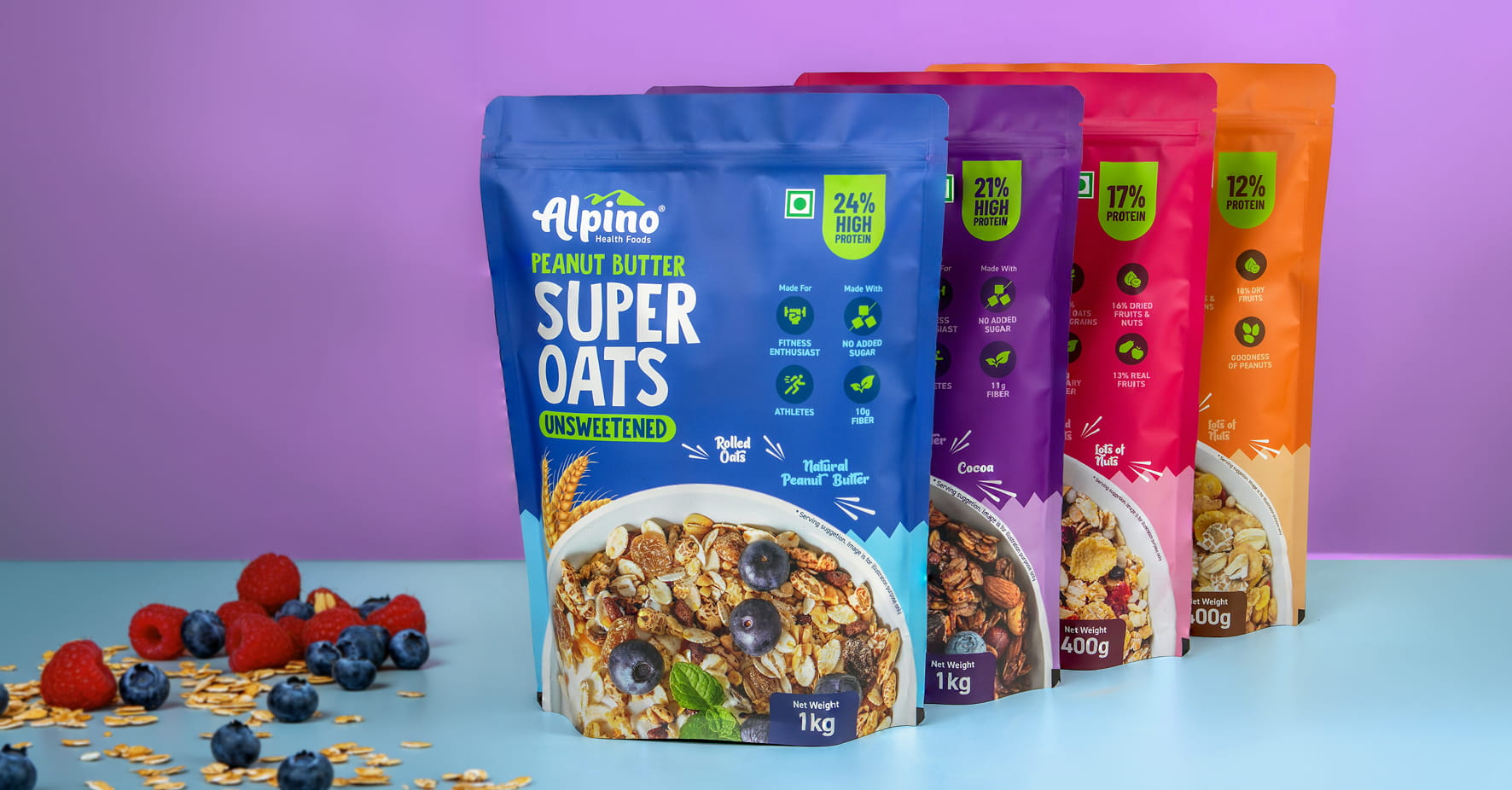
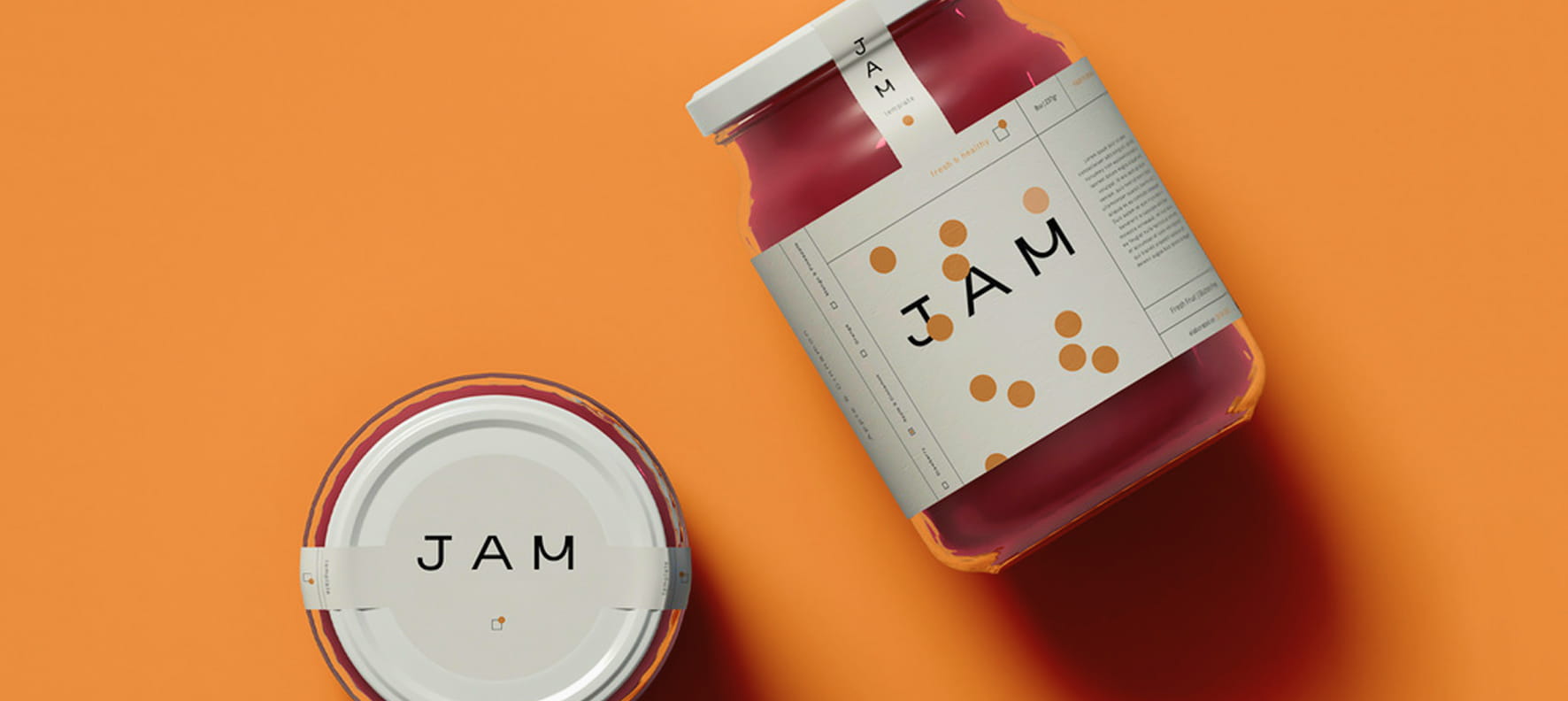
The first job of food packaging is to catch the eye of passing shoppers. This requires a bold design that visually stands out from the competition. Colors, images, shapes and fonts all play an important role in attracting the customer’s attention and helping them make a split-second decision about your brand and product. The goal should be to make an instant, emotional connection that drives them to pick up your product and learn more.
It’s also important to think about how your packaging will sit on the shelf, in the display or on the warehouse floor, depending on where you’re selling. If your packaging falls over, is likely to get crushed or damaged during shipment, or just doesn’t fit the place where it’s displayed, it’s not going to sell well. And stores won’t keep purchasing and promoting products that don’t fly off the shelves.
Communicating Product Information
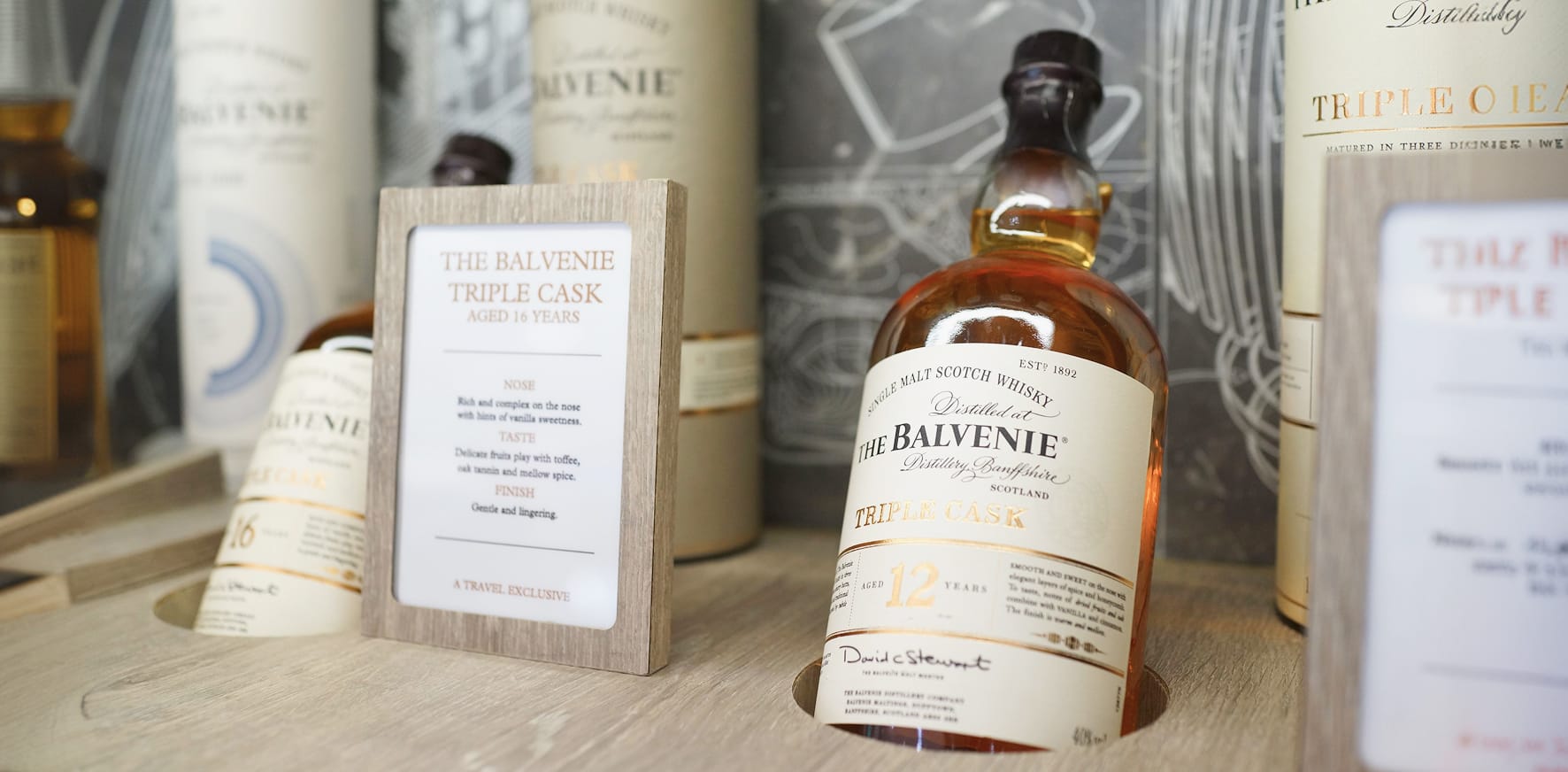
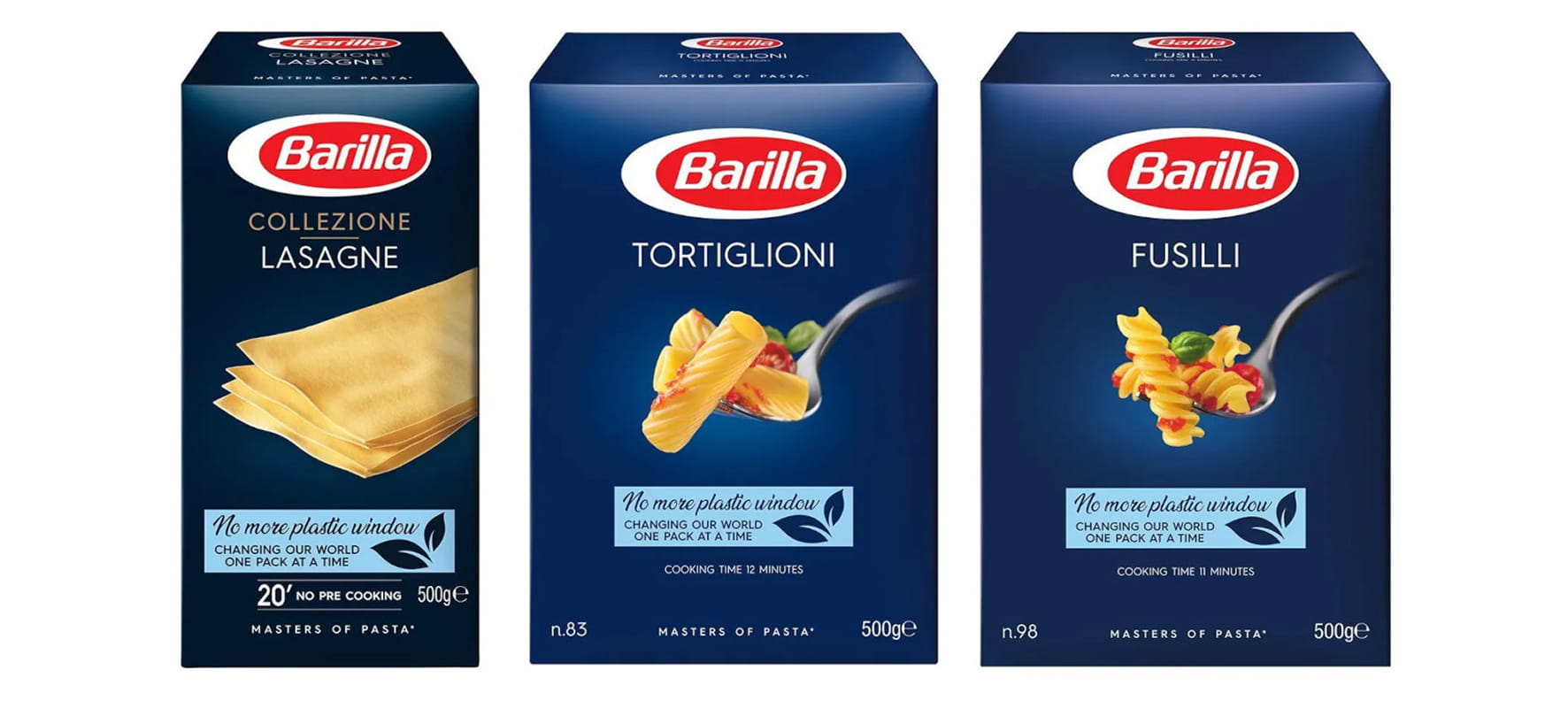
Now that you’ve got their attention, your packaging needs to quickly and clearly tell potential buyers everything they need to know about your product. Start with the basics: what are you selling, how much of it does the package contain and what’s in it? The FDA requires a list of all ingredients as well as a Nutrition Facts panel detailing things like calories, sodium and sugar content for all food and beverage product packaging. Be sure to include manufacturer or distributor information, too.
Think about what will entice buyers to take your product home. If you’re selling pasta, they want to know how long it takes to cook and how it tastes. For fresh produce, they want to know where it came from and when it was packed. For dairy products, put the use-by date front and center. Serving suggestions are always a good idea, especially if you can include a visual. Any differentiating factors, like organic ingredients, ethical sourcing or sustainable materials, should also be highlighted.
Product Protection and Preservation
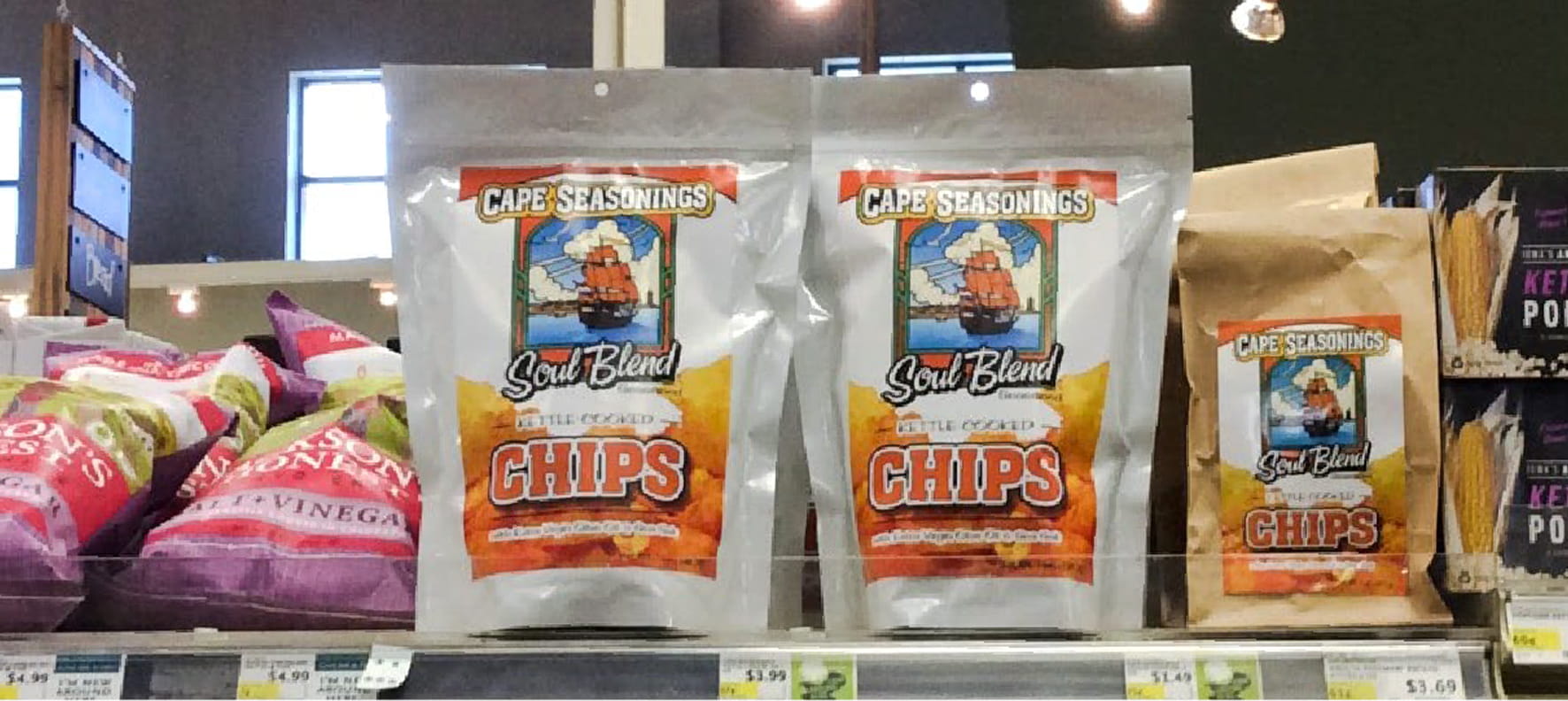
When it comes to product protection, engineering is key. There’s nothing worse than opening up a package of your favorite snack to find it’s been reduced to crumbs — which is exactly what was happening with Cape Seasonings all natural snacks. Their delicious chips were getting crushed in transit. Ernest helped the company engineer a new packaging design that protects their product during shipment, and stands up on the shelf. Check out the Cape Seasonings case study for the scoop.
Freshness is critical for food and beverages, and can be a real challenge for certain products — especially if they’re being shipped across long distances. Commodity Forwarders ships perishables like fresh fruit and produce all over the world. The company was using mylar bubble wrap to protect pallets in transit, including when they sit on tarmacs under the hot sun. Seeking a more effective and cost-effective design, they came to us for help engineering a custom cold chain solution that protects their products against heat and sunlight while also being sustainable and affordable. Read the whole story in our Commodity Forwarders case study.

Consumer Convenience
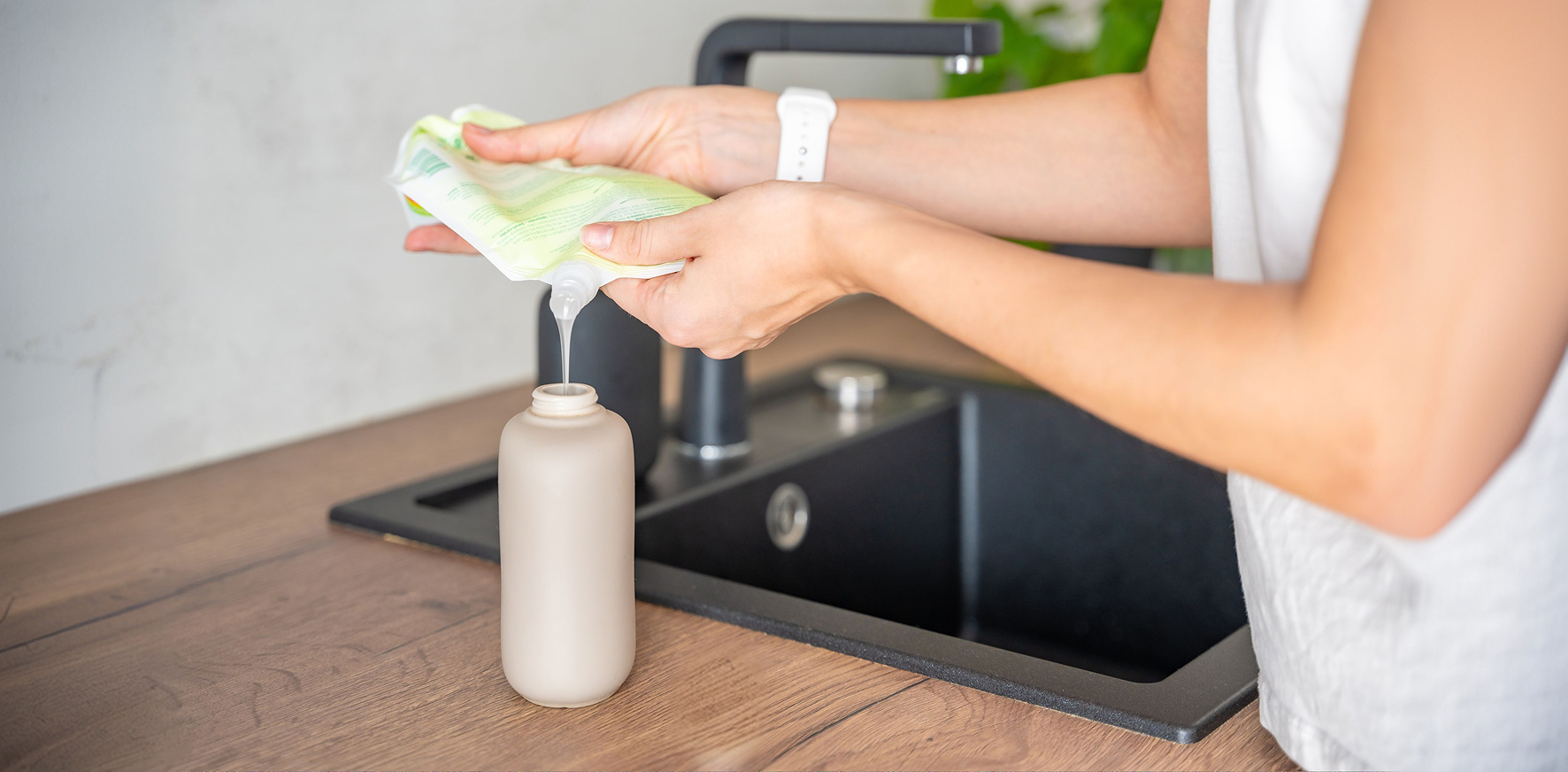
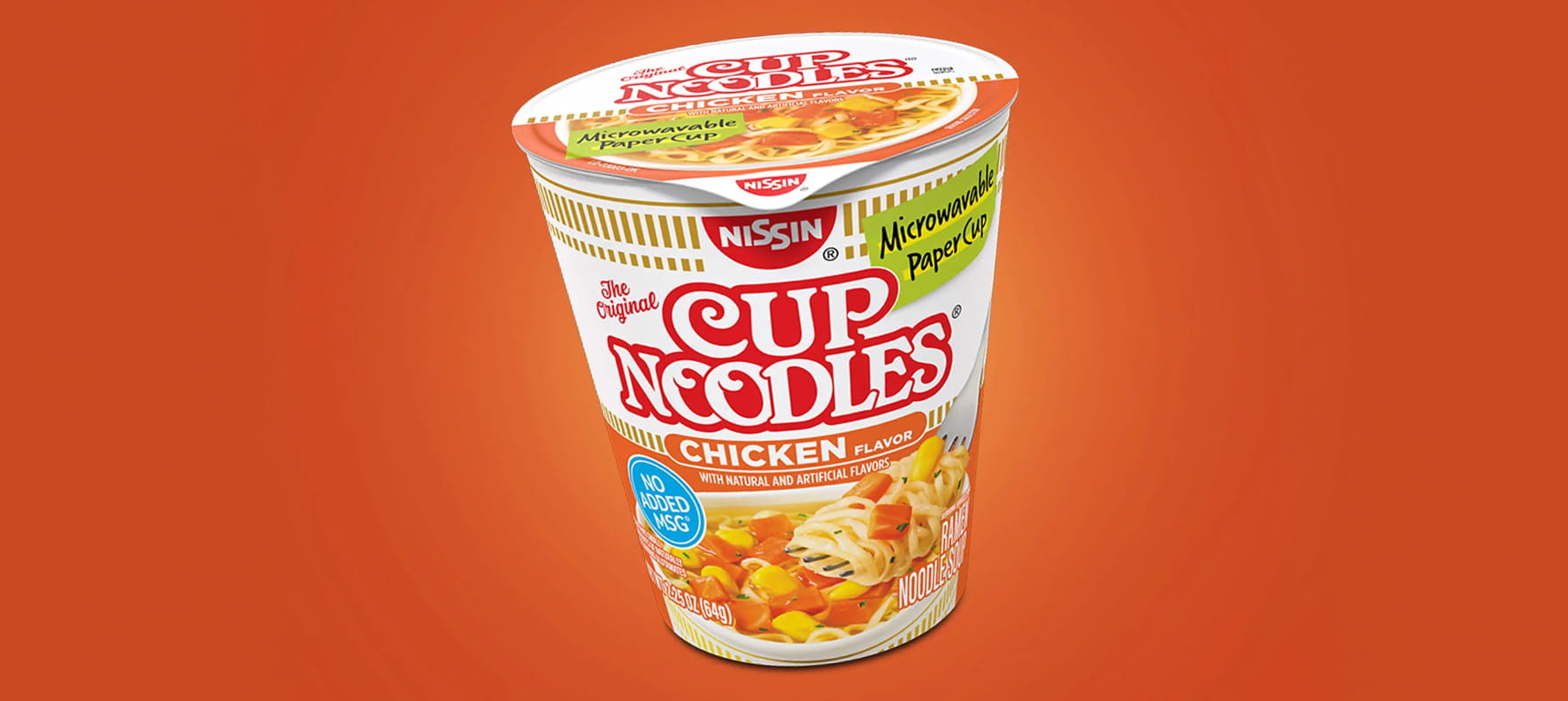
Everyone is on the go these days, and convenience is king. Think about how consumers will handle your product and where or how they’ll want to consume it, then design your packaging to make it as easy and convenient as possible. Instant Cup Noodles, Lean Cuisine frozen meals and squeeze pouches for smoothies, apple sauce and baby food are great examples of convenience-focused design.
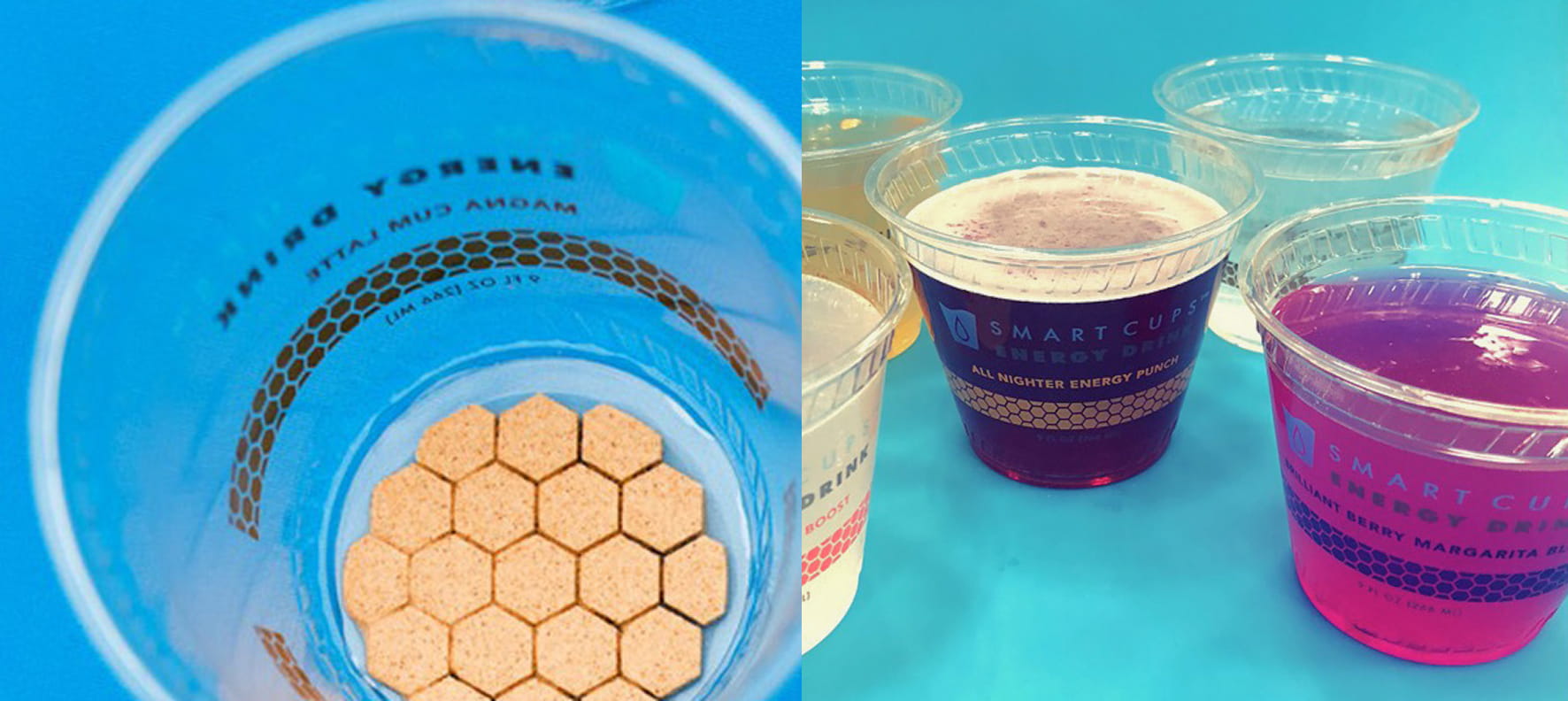
For a real-world example, let’s talk about Smart Cups. The first line of energy drinks that don’t come in a can or bottle, Smart Cups uses micro-encapsulated clusters of energy drink powder to transport and deliver the beverage to consumers in a ready-to-use cup. All they have to do is add water. Ernest helped the company design a moisture resistant pouch for their direct-to-consumer launch, which is light, inexpensive and easy to store before use. As our Smart Cups case study shows, this makes the product super easy to store, ship and carry around.
Brand Loyalty
Brand loyalty is essential to long-term success, especially in a crowded market. (Which, let’s face it, is pretty much every market these days.) Food and beverage packaging is a good medium for enhancing brand recognition and reinforcing the emotional connections that make customers choose your brand over the competition, time and time again.
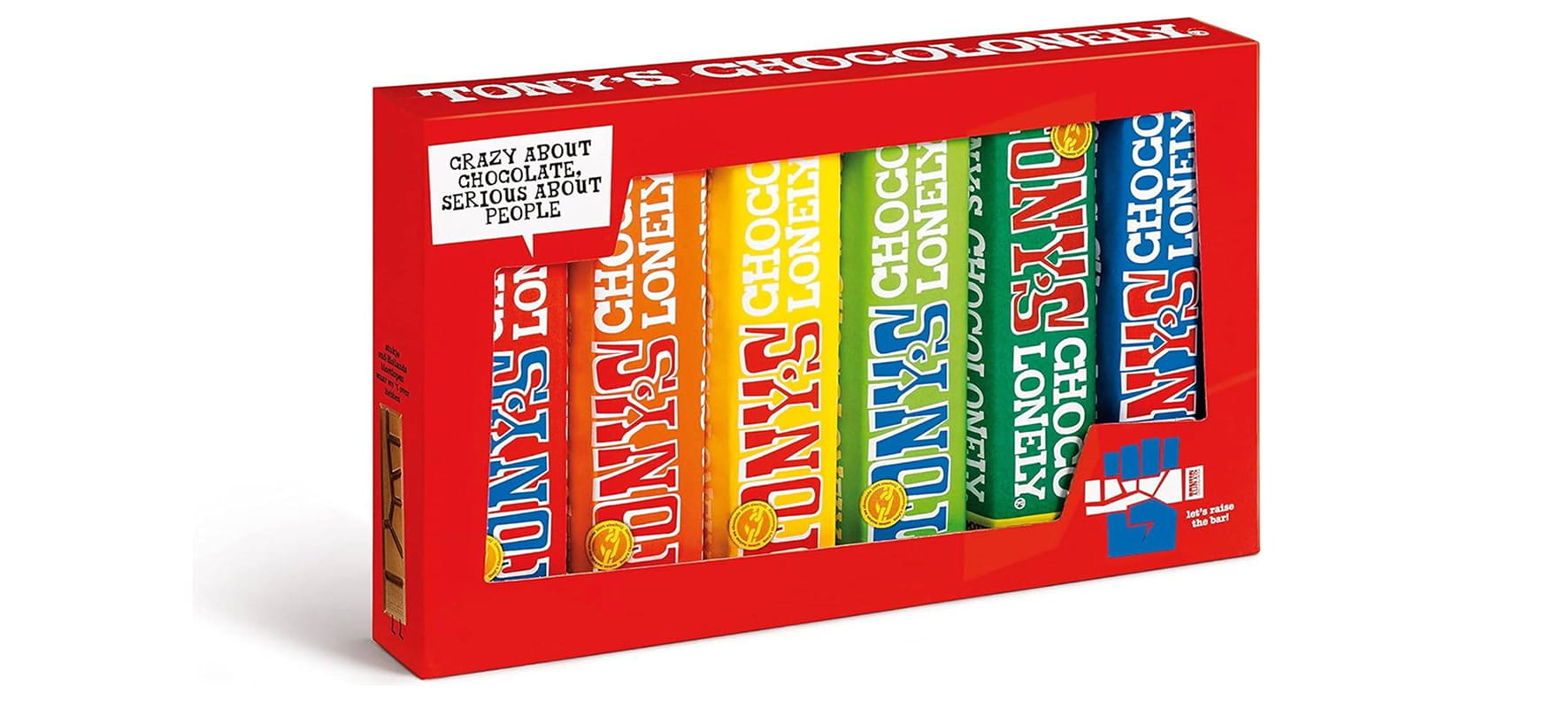
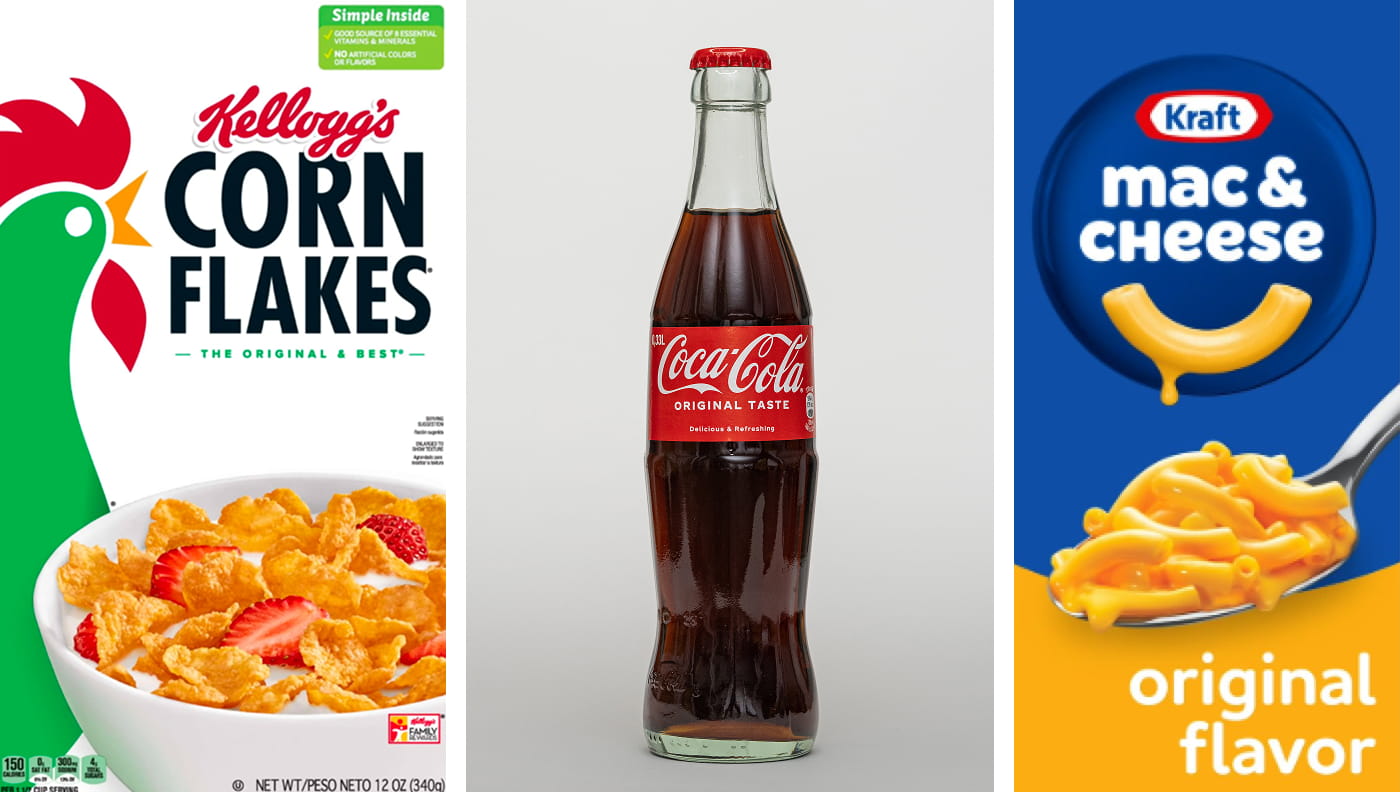
Consistency is key. Before you begin designing packaging for a specific product, spend some time building your food or beverage brand. This is about more than just your name and logo, it’s about establishing a consistent, ownable visual presence and market position, and reinforcing it at every opportunity — including on your food package design. Think about brands like Kellogg’s, Coca-Cola and Kraft, which are instantly recognizable on the shelf. By using consistent colors, fonts, imagery and messaging, you can help build brand loyalty with every purchase.
Sustainability
Eco-friendly shoppers use their purchasing power to support brands that share their values. That means in addition to producing many environmental benefits, sustainability is a smart business strategy, too. In fact, one survey found that a whopping 82% of consumers are willing to pay more for sustainable packaging — so it’s time to get on board.
Going green in your packaging design can mean reducing overall material use, replacing single-use plastics with reusable or recyclable material or opting for manufacturing processes that reduce your carbon footprint. Ernest was proud to team up with Proud Source, one of the first companies to bottle spring water in 100% recyclable aluminum bottles instead of the single-use plastic bottles that produce 321 billion pounds of packaging each year. Check out our Proud Source case study for the full story.

How to Design Food Packaging: Actionable Strategies
Next, let’s talk about practical ways you can use your food or beverage packaging design process to lean into these key factors, boosting your brand image to drive more sales at the register and increase overall revenue.
Conduct Market Research
Before you can figure out how to make the most of your food packaging design, you have to know who you’re selling to, what they want and what opportunities exist within your market. The best way to come up with a sound marketing strategy is to conduct market research.
If you don’t have a big budget, don’t worry. Start by reviewing all the industry data that’s freely available to you. Search for relevant surveys and reports you can access online. Do some sleuthing on social media to see what your top competitors are doing with their packaging and what their customers have to say. Ask your customers (or potential customers) what they want, need, like and dislike about packaging. Gather as much info as you can before you start designing.
Design for Your Target Audience
Next, it’s important to understand who you’re selling to. Different types of consumers have different desires, so before you can cater to those desires, you need to figure out your target audience. Are you selling primarily to women, men or both? How old is your target buyer? Where do they live? What do they do for work? How much money do they make?
Once you’ve established your target market, design your packaging to delight them. Think about what will appeal to them visually, what values or story you can convey to make an emotional connection and what type of packaging will be most convenient for their lifestyle. You might even want to create a buyer persona to use as a touchpoint throughout the design process.
Emphasize Your Brand Value Proposition
Every brand is different, offering its customers some type of unique benefit that sets it apart from the competition. To get super clear on what makes your brand special, come up with a clear statement that explains the unique value you offer and why customers should choose your brand over any other. This is called your brand value proposition.
Start by identifying the problem your customers are experiencing — for example, the need for quick, healthy meals to serve to the family. Next, lay out how your brand solves it: “We make healthy dinners fast and affordable.” Finally, tell consumers why your brand is different. What are you passionate about? Why did you choose this specific problem to solve? What do you do differently than all the other brands offering similar solutions? Once you’ve gotten clear on your value, pull it forward on your packaging design. For example, highlight nutritional value and cooking times for healthy family dinners.
Food Packaging Material Considerations
The best materials for your packaging will depend on what kind of food or beverage product you’re selling. Where or how you’re selling it also matters. For perishables, like meat, dairy products and fresh produce, you’ll need transparent packaging, because buyers want to see for themselves that the product hasn’t spoiled. You also need materials that can seal out oxygen and other contaminants to ensure safety and freshness, along with cold chain solutions to prevent spoilage during shipment.
For snack foods like chips, nuts and crackers, you’ll want to design a solution that can protect products from getting crushed during shipment and also stands up on the shelf. Opting for more sustainable materials, such as recyclable cardboard, paper or plastic, can help boost shelf-appeal if it provides adequate protection. It’s important to choose materials that adhere to packaging standards, guidelines and regulations, where applicable. (More on that below.)
Branding Strategies for Food Packaging Design
Packaging plays an important role in influencing consumer behavior. According to researchers, consumers make decisions about what product to choose in the blink of an eye — literally three to five seconds on average. Maybe even faster. With much of the decision-making process happening subconsciously, the visual elements of your food packaging design are key to triggering a purchase impulse.
To create a good first impression in an instant, choose visual elements carefully. Colors, imagery, typography and finishes all matter. Bold colors like red and yellow are often used in food and beverage packaging because they’re known to promote appetite. High-quality pictures of your product, prepared and ready to serve, can help shoppers see themselves consuming it. Think about how you want to make buyers feel, and design to evoke that feeling.
As we mentioned above, it’s also important to be consistent with branded colors, fonts, messaging and imagery. Reinforcing your brand image on your food or beverage packaging will help consumers recognize, and reach for, your products.
Operational Food Packaging Considerations
While the design phase can feel conceptual, the end goal is to create a real-world packaging solution. So, you also need to think about where and how you’ll manufacture your packaging, put it together and package your products. Factoring in these operational considerations during the design process will help you optimize your design to fit your operational realities as well as your needs and budgets.
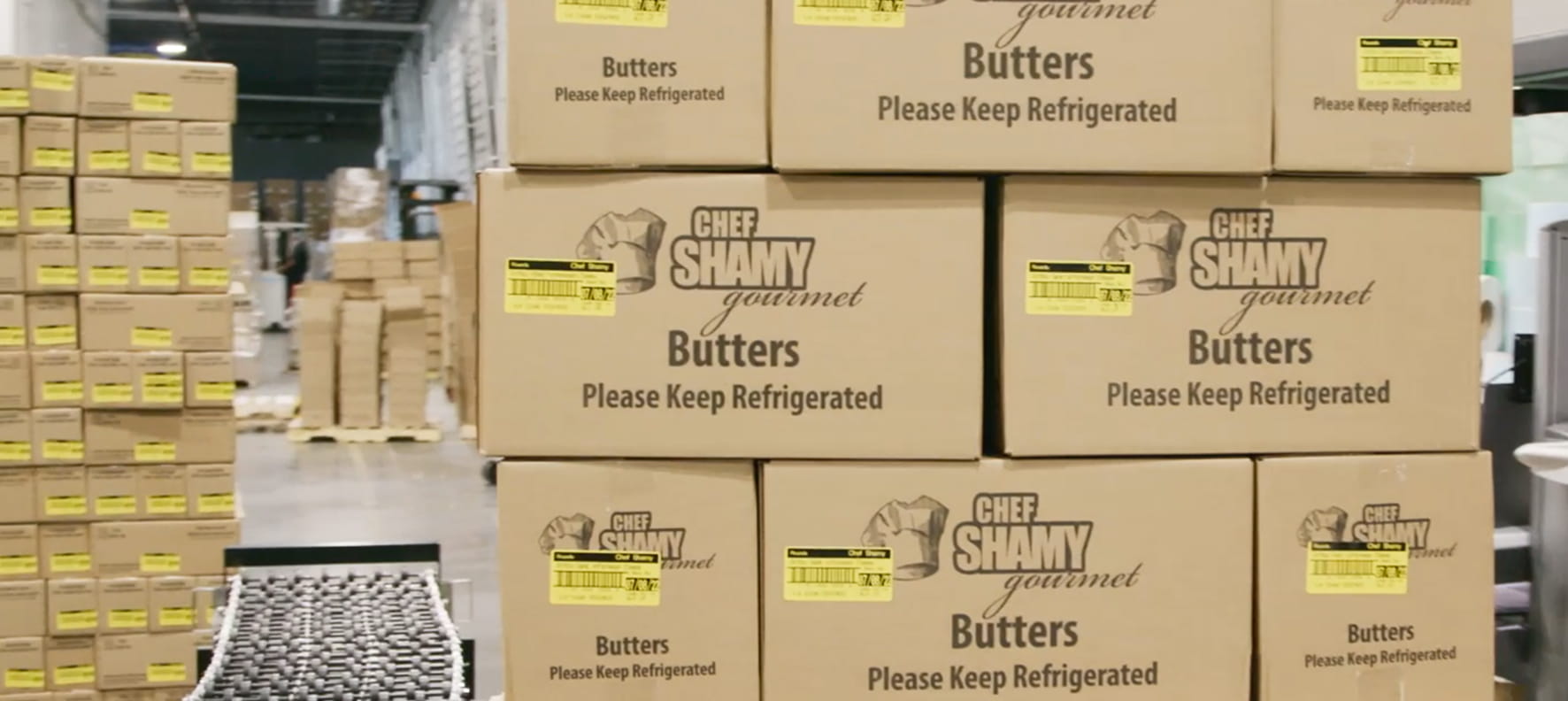
At Ernest, we love collaborating with clients to help them streamline ops and maximize efficiency. Chef Samy, a family-run business specializing in delicious, all natural butters, approached us a few years ago needing to revamp their packaging process to meet growing demand. We’re talking Costco, Sam’s Club, Kroger and Walmart-level demand. Our team of experts walked them through all of the equipment and automation possibilities, helping them invest in a new system and facility that’s able to keep up with their newfound success while also maximizing efficiency. Check out the Chef Samy case study for the full story.
Adhere to Regulatory and Compliance Standards
No matter what you’re selling, safety matters, which is why it’s essential that any new food packaging design adheres to regulatory and compliance standards. For food and beverage products, that means avoiding toxic packaging materials and ensuring contents can’t be tampered with. It’s also important to include detailed nutritional information and a complete list of ingredients, as required by the FDA.
Maintaining the integrity of exterior packaging (boxes, pallets, etc.) during shipment is important for both safety and quality. Edge crush testing is a good way to make sure your box can withstand whatever happens during stacking and shipping. American Society for Testing and Materials (ASTM) and International Safe Transit Association (ITSA) standards provide guidelines for packaging integrity and strength. Other resources to check out:
- US Food and Drug Administration (FDA) food packaging standards and guidelines
- FDA nutrition and food labeling regulations
- Code of Federal Regulations (CFR) Title 21 – food and drugs
- International Standards Organization (ISO) 22002-4: Food packaging manufacturing standards
Work with Packaging Design Experts
We’ve covered a lot in this post. If you’re feeling overwhelmed, don’t worry — you’re not alone. With a whole industry around packaging design, engineering and manufacturing, it’s no wonder things feel complicated. To make the entire food packaging design process easier, look to the experts.
While packaging is often an afterthought, it’s really an investment. The right packaging design will do wonders for your sales, your brand and your bottom line. Don’t leave such an important business strategy up to chance. For the best possible results, team up with experts who can guide you through the process and help you make smart decisions at every step.
Partner with Ernest for Effective Food Packaging Design
Ernest has been dedicated to moving packaging forward for the better part of a century. We’ve worked with companies ranging from ma and pa operations to global conglomerates, and seen just about every kind of packaging challenge imaginable. Our packaging design and production experts can assist with any need, from custom design to specialized needs like cold chain and automation solutions.
Check out our customer success stories to see what we can do, then drop us a line so we can talk about your needs. We’d love to help you find the perfect ingredients for a standout food package design for your brand.