6 Benefits of Flexible Packaging
February 17, 2026
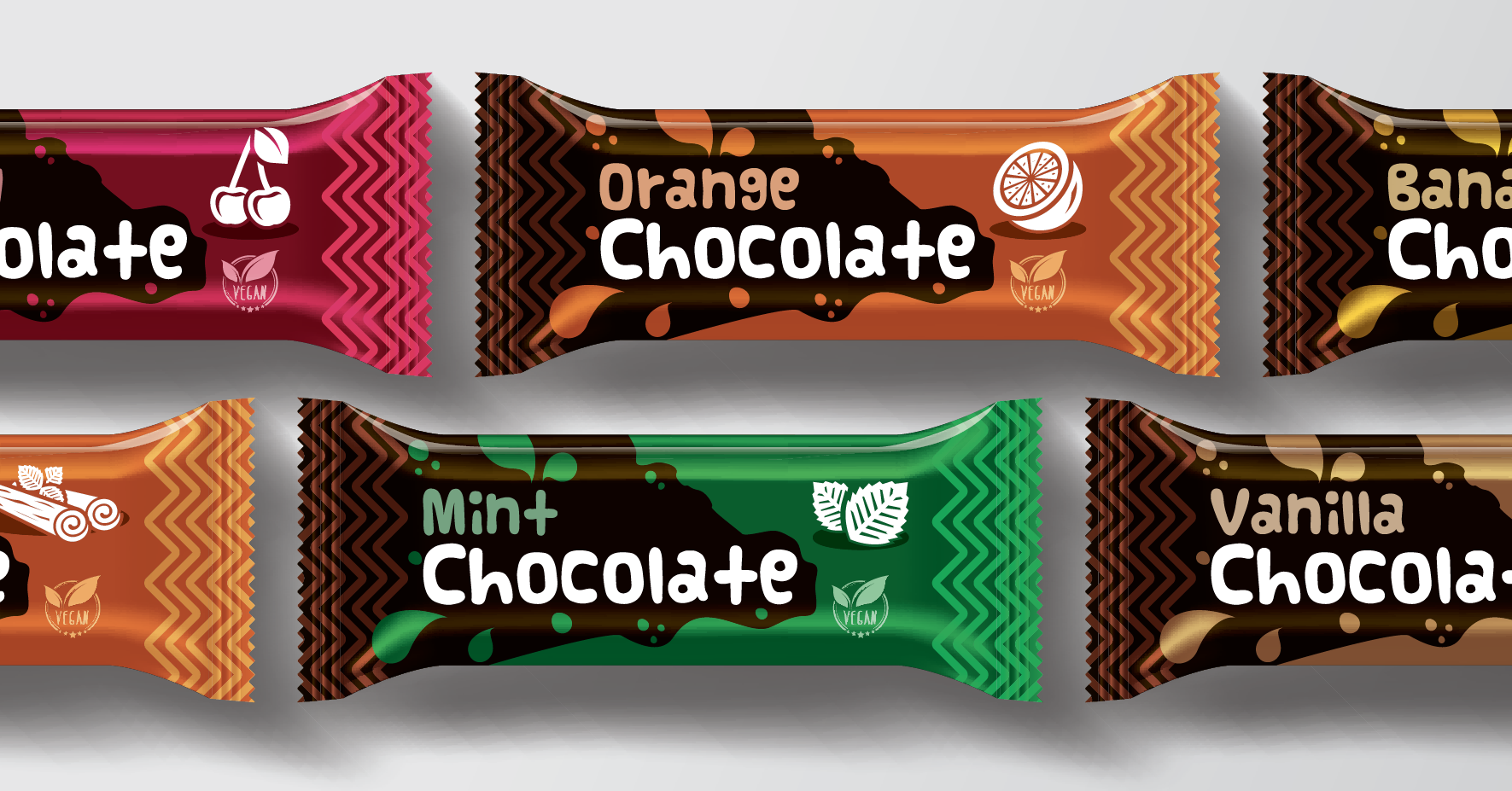
Designing the best possible packaging solution for your product is all about choices, and one of the first you’ll have to make is this: should you opt for flexible or rigid packaging materials? While both options offer advantages, today we’re focusing on the benefits of flexible packaging, particularly when it comes to food products. In this article, we’ll look at examples of flexible packaging and what makes it a good choice for both the customer and the company. We call it a win-win solution.
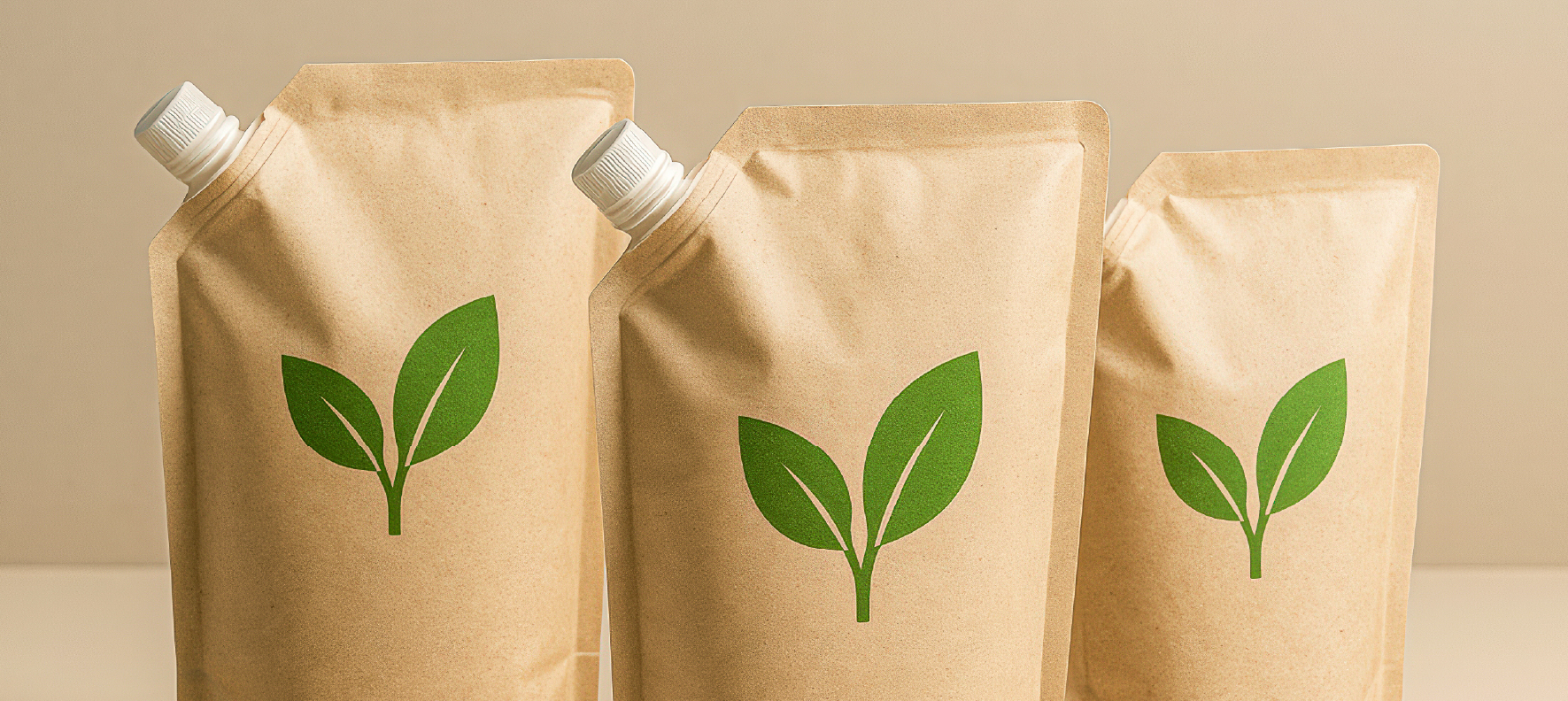
1. Reduced Carbon Footprint
Fact: flexible packaging solutions use less material per product than their rigid counterparts. According to the Flexible Packaging Association, just 1.5 pounds of flexible plastic can hold the same amount of liquid as 50 pounds of glass jars. Think about the difference that makes to how much material ends up in the recycling bin, not to mention the landfill.
With consumers today choosing eco-friendly options whenever possible, there’s never been higher scrutiny for companies to go all in when it comes to using sustainable packaging. And if you’re looking to go green, flexible packaging materials come to the rescue once again. Flexible packaging is lightweight, meaning it’s easier to transport and burns less fuel. It also requires less energy to manufacture, further reducing your environmental impact. For any online retailer looking to reduce their carbon footprint, flexible packaging is the answer.

2. Product Protection
Flexible packaging, by its pliable and durable nature, provides superior protection for products during shipment. For starters, its ability to give means it’s not susceptible to denting, breakage or being punctured from impact. That means you don’t have to worry too much about products bouncing around on the back of a truck or accidentally getting dropped at the warehouse. Being made of plastic, flexible packaging is generally water-resistant, so it won’t be damaged if they come into contact with spilled or leaked liquids during shipment either.
As an added benefit, flexible packaging is made with a unique multi-layer construction that helps to maintain product integrity during shipment. While a cardboard box is easily damaged by outside factors like moisture and light, flexible films can withstand them, putting an extra barrier between the product inside and the outside environment.
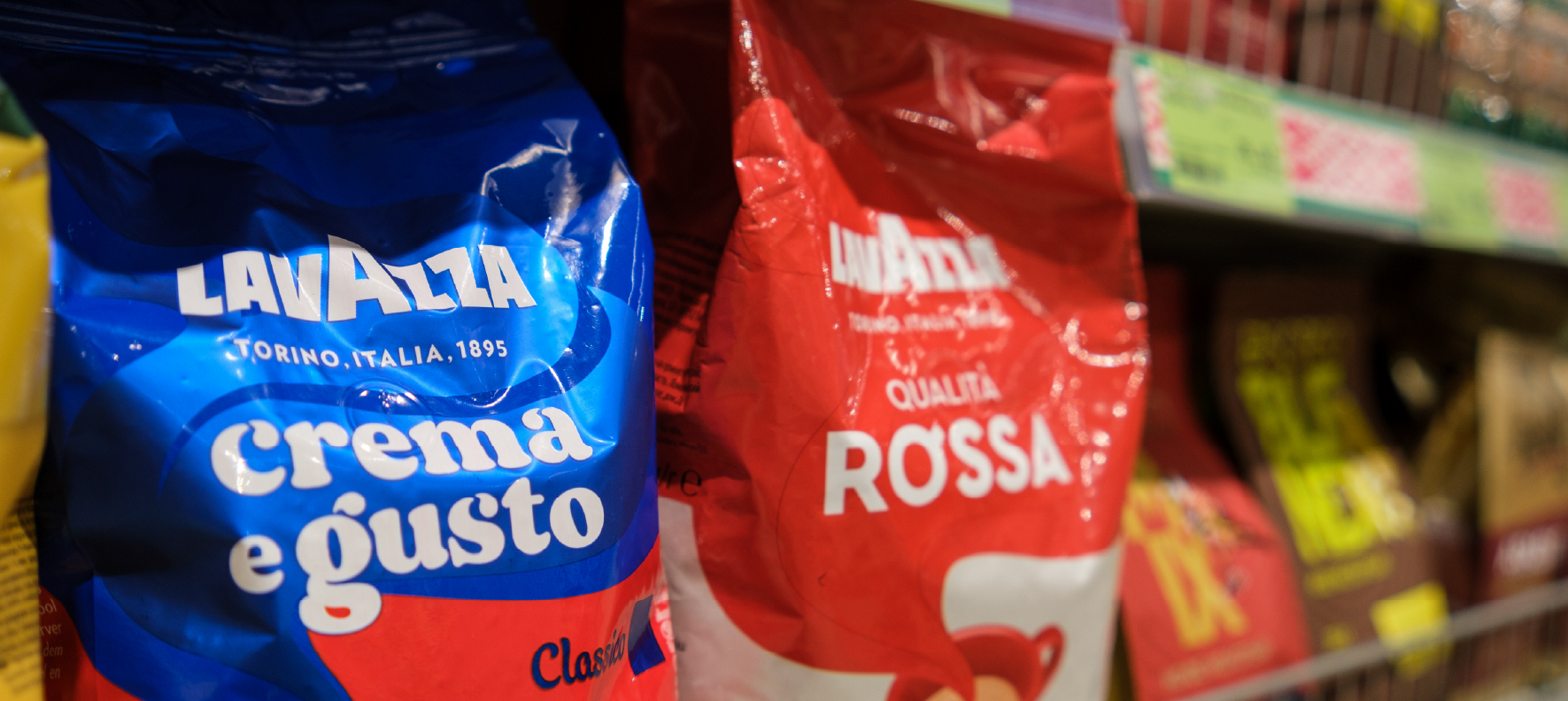
3. Extended Shelf Life
The protection that flexible packaging provides makes it ideal for food products because it helps to prevent spoilage and extend shelf life. By keeping out oxygen, moisture and sunlight, the primary factors that trigger oxidation and spoilage, flexible food packaging keeps what’s inside fresh longer. Sealing in flavors and aromas also seals out micro-organisms and other pests that put food products at risk.
There’s a bottom-line benefit here, too. By extending the shelf life of various food products, flexible packaging can help you reduce costly losses due to spoiled product returns. Plus, you can expand your market reach because you don’t have to worry about your products going bad during shipment. It all adds up to a smarter solution.

4. Cost-Effectiveness
Another bottom-line boost that comes with flexible packaging is increased cost-effectiveness. Flexible packaging uses less material and requires less energy to manufacture compared to its rigid counterparts. This results in a more efficient product-to-packaging ratio, because the strength and durability you get with flexible packaging means you don’t need as much of it to provide serious protection.
When it comes to reducing shipping costs, opt for a packaging solution that weighs less and takes up less space. Flexible packaging does both, being more lightweight than rigid materials and generally taking up less space, making it more efficient to store and distribute as well as to manufacture. By reducing material usage, shipping expenses, storage space needs and damage during transit, choosing a flexible packaging solution is a simple way to ramp up cost efficiency across the board.
5. Package Customization
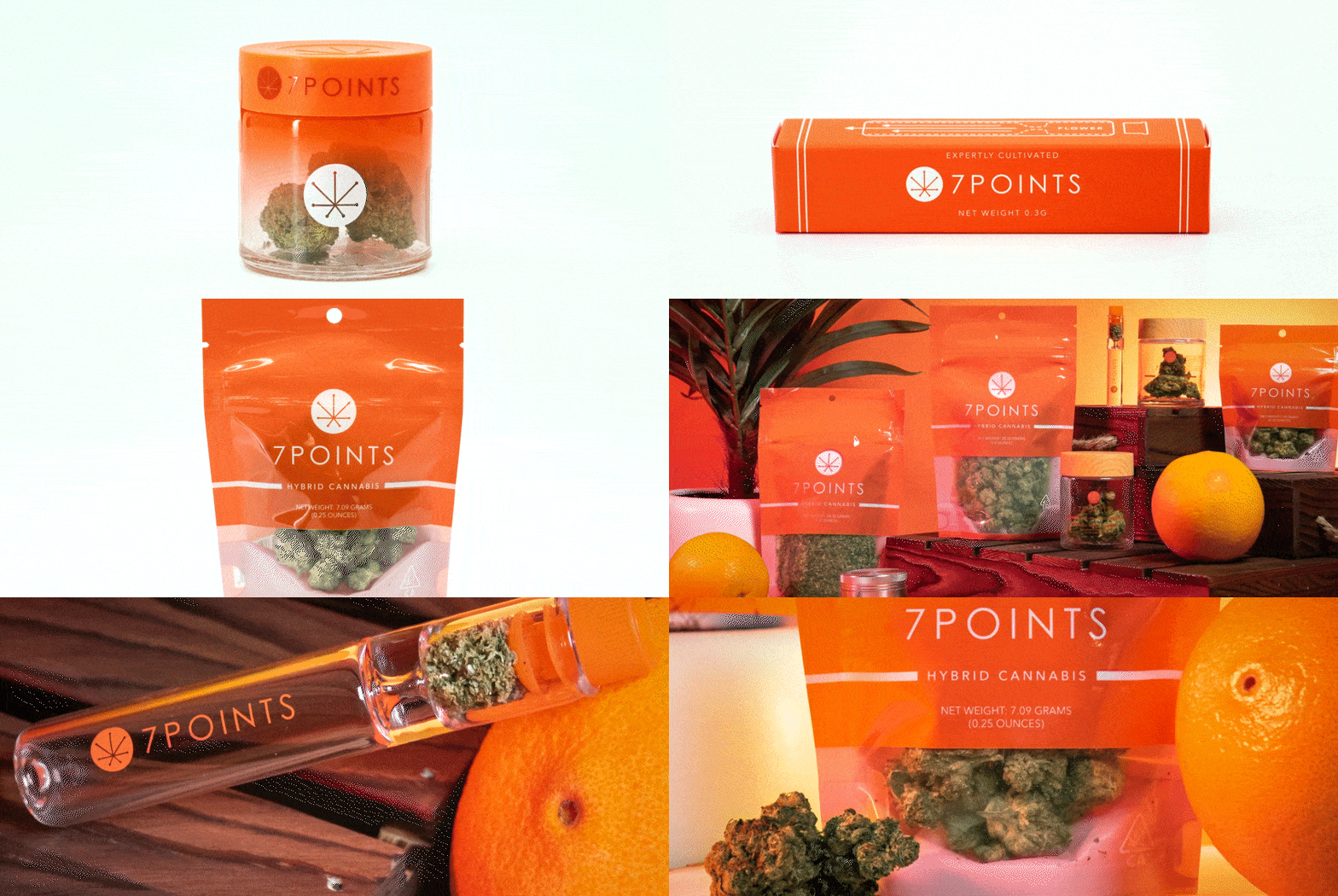
One of the reasons flexible packaging is so popular these days is that it comes in a seemingly endless variety of forms and functions, most of which can be customized to fit your specific product, application and market. Films, pouches and bags, for example, are all highly versatile and can be made in just about any shape and size, to meet any need.
Start with your basic package and add on features like spouts, resealable zips and easy-open notches. If you need extra safety measures, like barrier protection against UV rays or moisture, choose or engineer materials to meet those specifications. Finally, brand it your own. You can cover every inch of flexible packaging solutions with graphics, images and copy that telegraph your brand story and make your product pop on the shelf.
6. Consumer Convenience
We live in the era of instant gratification, and convenience rules the roost. According to a recent Morgan Stanley survey, a whopping 77% of US consumers say convenience is a key factor in purchase decisions. It even outweighs cost, with the same survey finding that shoppers will happily pay a 5% premium for convenience.
Flexible packaging gets it. Pouches and bags are easy to grab, carry and toss in the car or your bag. They’re also easy to store. Flexible food packaging often stands up on its own for easy snacking, and is resealable so you can save some yum for later without worrying about it going stale. Compared to bulky, rigid packaging like glass jars, oyster packs or big boxes, it takes up less space on the shelf.

Partner with Ernest for Flexible Packaging Solutions
We love helping clients land on the perfect packaging solution for any need. Check out this awesome flexible packaging our Innovation Lab created for Cape Seasonings. The new packaging design never lays down on the job and is always ready to share the brand message.
Flexible packaging is just one tool in the arsenal of packaging supplies we use to craft custom designs for customers around the world. Learn more about our flexible packaging solutions and help your business move forward. Contact Ernest Packaging Solutions today to learn more.