Edge Crush Test: Why It's Important for Corrugated Packaging
February 18, 2026

Ernest has been putting corrugate to the test for years as part of our Cardboard Chaos series—using it to make everything from surfboards to shoes. We know firsthand just how sturdy and versatile ye olde brown boxes can be. But when it comes to our customers, we don’t leave anything to chance.
To make sure shipments are safe, protected and up to regulatory standards, we perform rigorous testing and validation for all of our packaging solutions, including the key edge crush test (ECT) for cardboard packaging. In this article, you’ll learn all about this all-important process including how it works, what it measures and why it matters.
What is the Edge Crush Test?
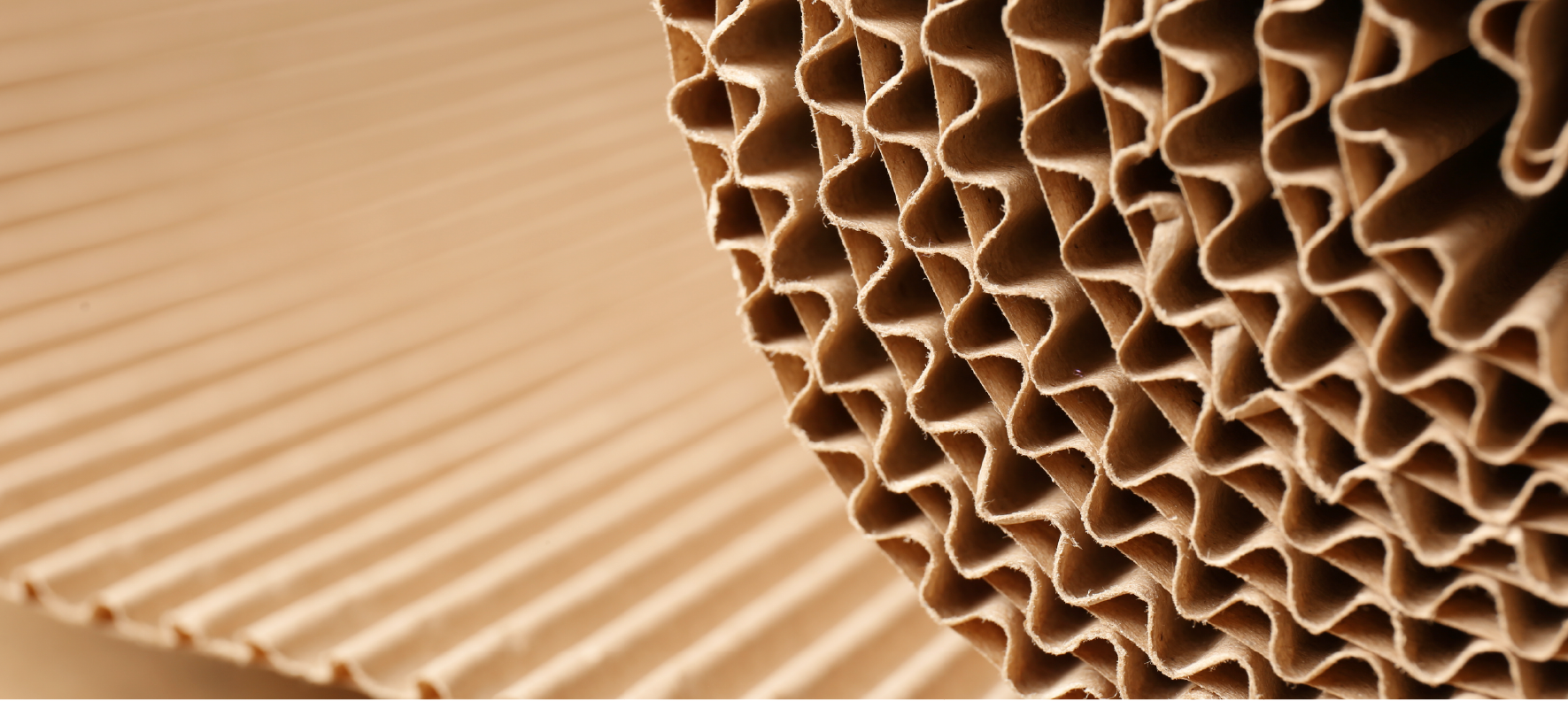
No matter what you’re selling, most goods that are packaged in boxes will be stacked at some point in the distribution chain. This may happen at the warehouse, on the truck, in the distribution center or even at the store. Wherever the stacking happens, it’s important to package products using cardboard that’s strong enough to withstand the pressure of additional boxes being stacked on top.
The ECT is an integral method to assess corrugated cardboard packaging’s stacking strength and durability. In other words, it’s how you make sure your packaging can withstand the force and weight it will come into contact with during storage and shipment. The goal is to use the most lightweight corrugate possible, to save material costs and shipping weight, without compromising what’s inside.
ECT measures corrugated cardboard’s edgewise compressive strength, which shows how much force it can withstand before the edges will buckle. Testing is done using machinery designed to test the strength and performance of a piece of cardboard at the edge by compressing it between two rigid plates. The higher the ECT value, the stronger the box.
How Does ECT Differ from Other Testing Methods?
There’s no one-size-fits-all corrugated cardboard packaging, nor any one-strength-saves-all packaging material. Each solution must be tested and retested to ensure the packaging design and engineering are right for whatever you’re putting into it, and putting it through.
Mullens Burst Testing is another common method used to assess the strength of cardboard packaging. While ECT measures stacking strength, Mullens testing measures how much force cardboard can withstand before it punctures or ruptures. The two tests are similar but ECT specifically focuses on stacking strength, while Mullens testing is more useful for packaging that’s likely to be thrown around or come into rough contact with external forces.
Another testing method that’s sometimes used together with ECT is the box compression test (BCT). Similar to ECT, the BCT measures how much weight a box can withstand being stacked on top of it. ECT and BCT are often used together to help manufacturers find the ideal packaging solution for their needs.
Why is Edge Crush Testing Important for Corrugated Cardboard Packaging?
The edge crush test provides key insights that help you choose the perfect packaging for your product and needs, including:
- Determining Structural Integrity
- Optimizing Material Usage
- Providing Insights for Package Design
Determining Structural Integrity
Structural integrity ensures boxes don’t collapse when they’re stacked during storage and shipment, which in turn ensures the integrity of whatever they contain. ECT helps manufacturers determine structural integrity by understanding how strong various cardboard packaging solutions are, as well as any limitations they need to consider.
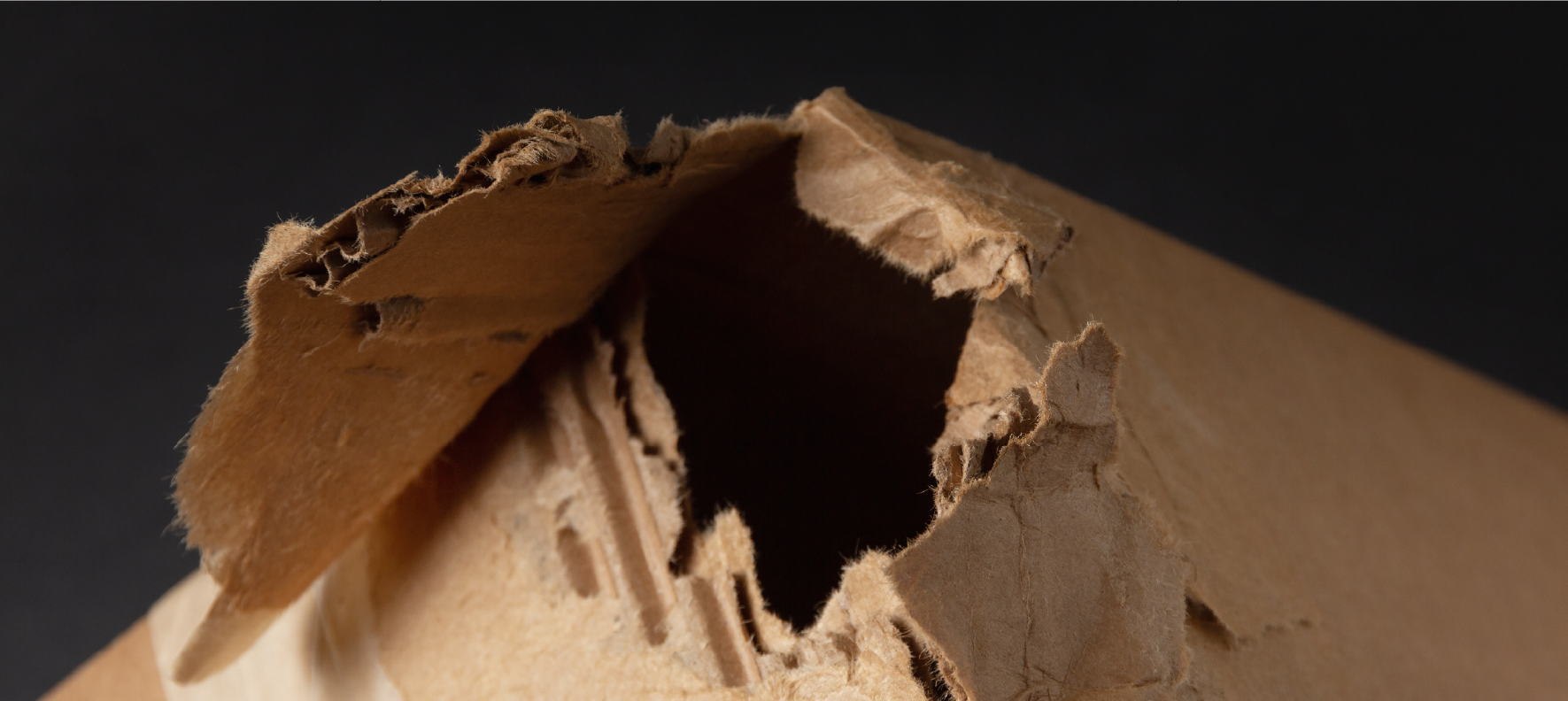
By testing material strength at the edge, you get a clearer idea of how much weight and pressure a box will be able withstand during its journey through the distribution chain. Providing adequate protection helps to prevent costly breakage, losses and returns. Plus, a damaged box can do serious damage to your brand reputation, which is also bad for business.
Optimizing Material Usage
Ideally, you want to minimize the amount of material you’re using in packaging solutions, both to keep costs as low as possible and to reduce waste. Lighter materials also weigh less, which helps to lower shipping and transportation expenses.
However, if you go too light, your packaging might not be strong enough to protect its contents, especially if it’s handled roughly during shipment. ECT ratings and data can help you determine the best weight and grade corrugate to use to ensure adequate protection while managing costs
Providing Insights for Custom Packaging Design
Every packaging design has unique requirements and constraints, which vary depending on lots of factors. How heavy is your product? How fragile? Does it require any kind of specialized insert or other elements, like atmosphere or temperature control? Where is it manufactured and sold, and what happens to it in between?
By providing data and insights about the strength and durability of various types of materials, ECT helps packaging design experts understand what those materials are capable of and deliver exactly what’s needed in a packaging solution. By adding reinforcement, engineering for strength, and choosing the right grade cardboard, you can have it all: just-right protection, optimal costs, and purpose-driven design.
How Does the Edge Crush Test Work?
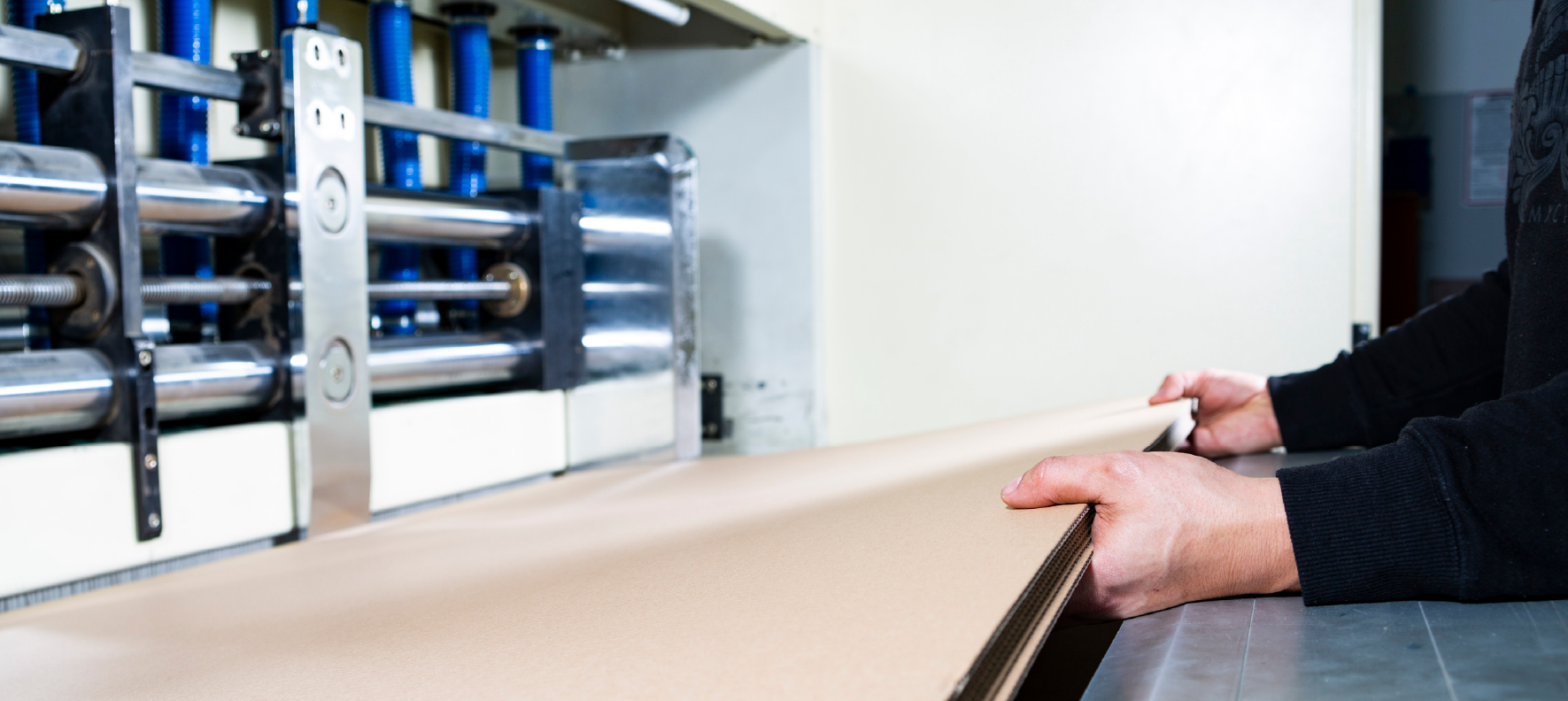
ECT testing is typically performed in a lab, using standardized methods and machinery to ensure accurate, repeatable results. While some manufacturing facilities have their own ECT equipment, it’s also possible to outsource this to a dedicated testing and validation center. Testing is rigorous and requires consistent conditions, including conditioning the material to a predetermined temperature and humidity. Again, it’s all about consistency so you get meaningful results.
Using a Compression Tester machine, steadily increasing force is applied vertically to the box’s edge to measure how much pressure it can withstand before it collapses. When the box fails, the maximum force is recorded, measured in pounds per linear inch of edge. This result gives you the ECT rating of that material—for example, 32 ECT means it can withstand a 32-pound force per linear inch.
ECT standards vary by region, with transport companies like UPS and FedEx also laying out specific criteria that must be adhered to. If you want to ship a package that weights up to 30lbs, for example, FedEx and UPS both require a 32 ECT minimum rating in addition to meeting International Safe Transit Association (ISTA) standards. ECT standards help to ensure safety throughout the distribution chain, and peace of mind for shippers.
Partner with Ernest for Corrugated Cardboard Packaging Solutions
Need help optimizing your packaging strength vs. cost? At Ernest, our team of experts loves a challenge. We also love finding the perfect solution for our clients, which means carrying out rigorous testing and validation to improve product stability in transit, trim packout and shipping times and save you money. Contact us today to make sure your packaging crushes the competition (and not the other way around).