Pros and Cons of Single Serve Packaging
February 02, 2026

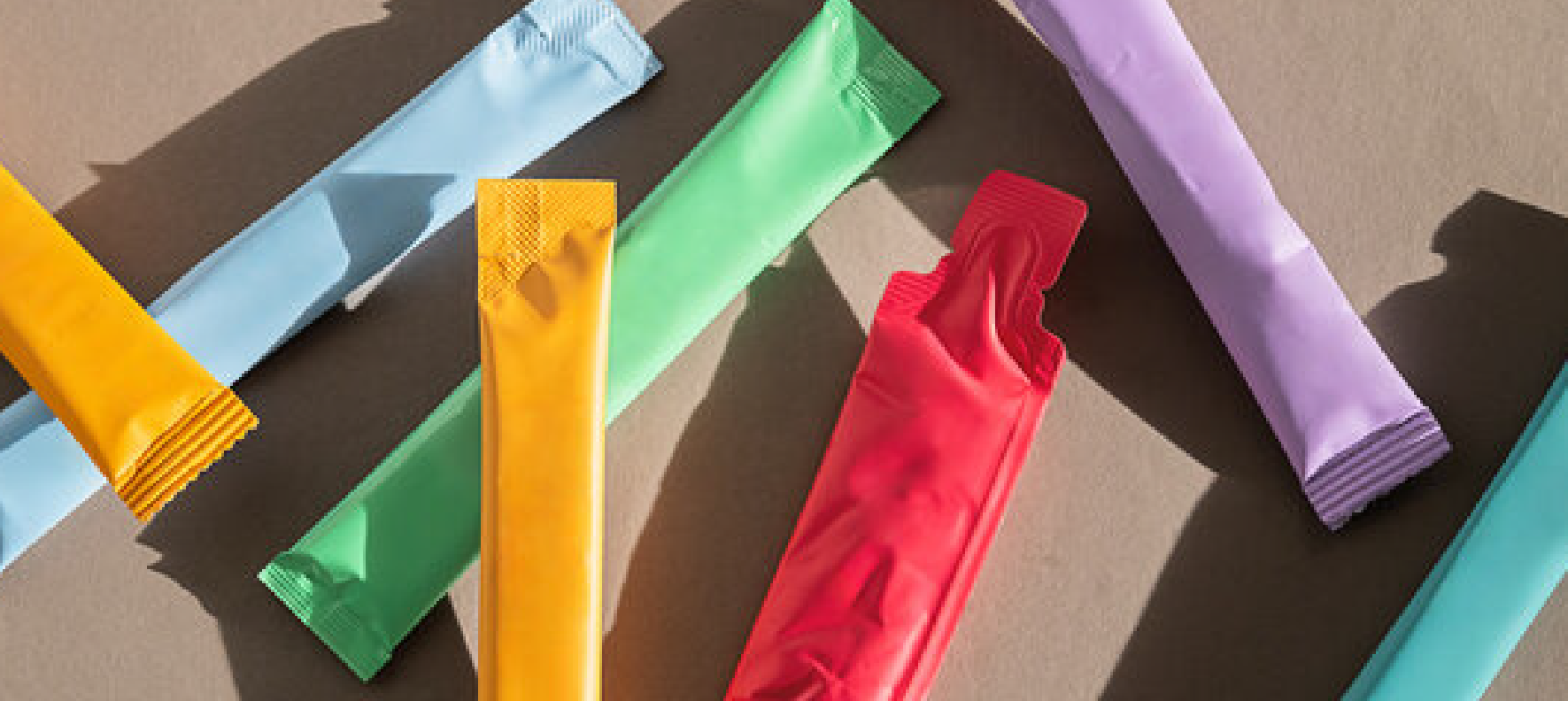
Single serve packaging is having a moment. Consumers today are busy, always on the move and in the market for convenience, making single serve packaging ideal for many food and beverage products as well as health and beauty items.
While many shoppers choose small servings for convenience, others worry about the environmental impact of single use packaging. So, should you package your product in individual servings or in bulk? In this article, you’ll learn about the pros and cons of single serve packaging so you can pick the best solution for your needs.

How Popular is Single Use Packaging?
Single serve packaging for snack foods first became popular in the 80s and 90s, driven by a consumer desire for convenience and portability. In the 2010s, the health and beauty industry also adopted single serve packaging, driven primarily by a desire for ease, speed and convenience.
Increasing travel may have also played a role. With TSA regulations limiting the amount of liquids and gels allowed in carry-on luggage, many companies began offering products such as shampoo, shaving cream and moisturizer in smaller packages that didn’t have to be checked in.
Single serve packaging is, by definition, also single use packaging. With consumer attention shifting towards sustainability and reducing waste, many brands have steered away from single use packaging. This is especially true for single use plastics, which are neither recyclable nor biodegradable.
Despite pushback, the single use packaging market was valued at $554 billion globally in 2023 and is expected to reach $895 billion by 2032.

Pros of Single Serve Packaging
- Convenience
- Less Food Waste
- Better Portion Control
- Better Packaging Control
Convenience
On any given day, most of us come into contact with a lot of products packed in single servings, starting with our morning coffee and maybe even our toothpaste. K-Cup coffee pods are a single serve coffee powerhouse and Bite Toothpaste Bits are revolutionizing oral care.
Any time you buy a bottled drink, a bag of chips or an energy bar, you’re buying a single serve. The same goes for premade meals, single portion containers (think: yogurt, pudding, ice cream) or instant noodles. And in terms of personal hygiene, chances are you’ve used a disposable razor, individually packaged sheet face mask or hand wipes, because they’re convenient to grab and easy to dispose of.
Convenience is also behind the popularity of single use packaging for household and cleaning products like laundry detergent and dishwasher soap pods. We’ve become so reliant on single serve packaging, most of us don’t even realize we’re using it.
Less Food Waste
Food waste is a huge issue in the modern world, especially in the US. According to the USDA, 30-40% of our entire food supply is wasted each year, roughly 133 billion pounds. That’s a staggering amount of waste, most of which ends up in landfills. In fact, food waste makes up about 22% of municipal solid waste (MSW). That’s not good for the environment. With the EPA setting a goal to reduce our food waste 50% by 2023, single serve packaging might help.
Single serve packaging for food products helps to combat waste in a couple of ways. A whole lot of food gets tossed in the US because it’s spoiled, or because consumers get confused about “use by” and “sell by” dates and throw it out just to be safe. Individually wrapped or packaged food servings stay fresh longer, making the contents less likely to end up in the trash. Plus, single servings mean smaller portion sizes. This also makes food less likely to go to waste compared to food products that are sold in bulk.
Better Portion Control
Have you ever opened a family size bag of chips intending to “just have a few,” only to discover half an hour later that you’ve eaten half the bag? How about a box of cookies, a tub of ice cream or a bottle of soda? Portion size in the US, where more than two out of five adults is obese, has also become a health issue.
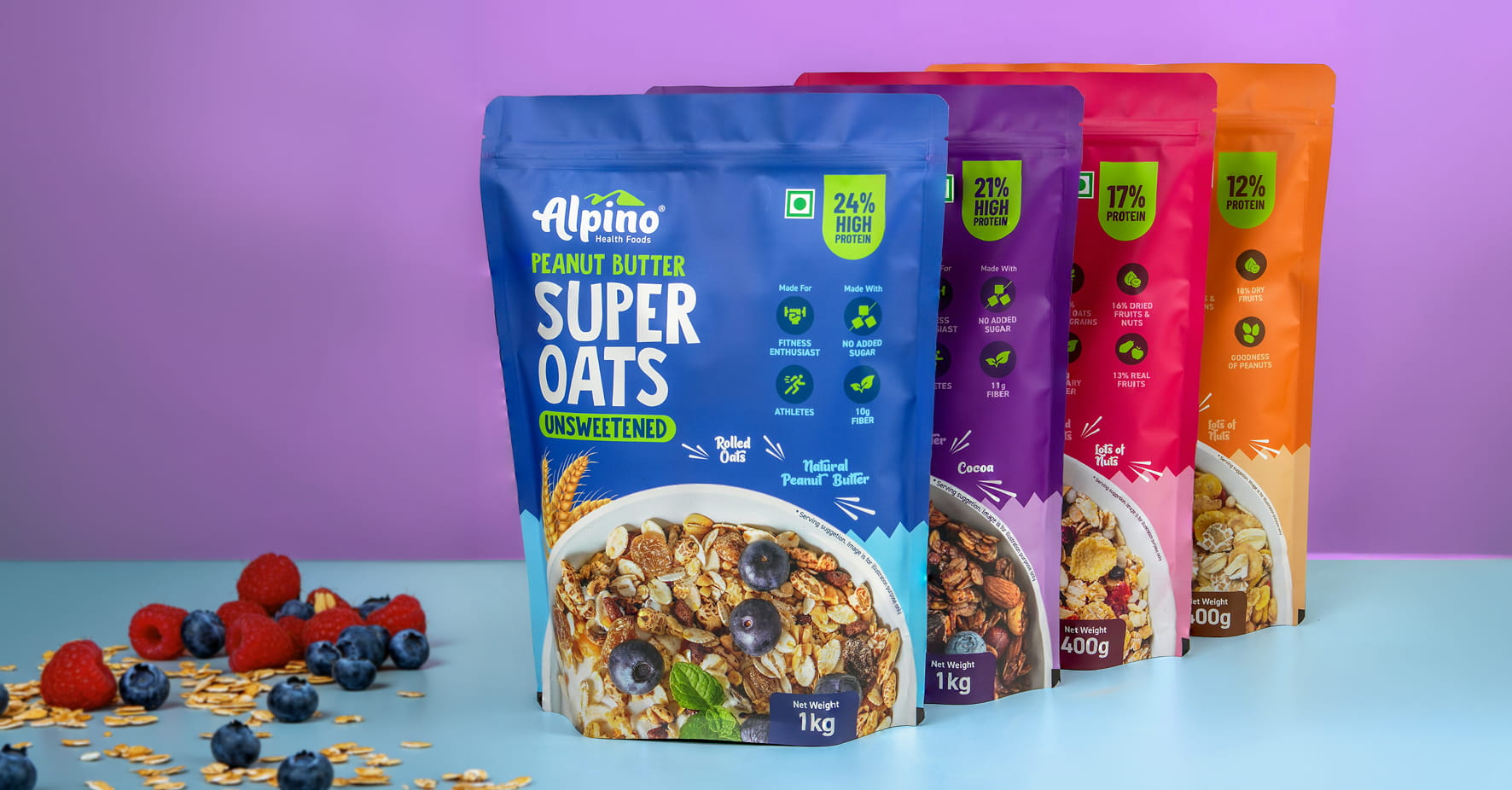
For health-conscious consumers, single serve food and beverage packaging is an easy way to control portion size (and waistlines). By emphasizing how healthier portions make consumers less likely to over-eat, brands can use this benefit to market to this growing audience. In 2023, the health and wellness foods market was estimated to be worth $250 billion, making it an opportunity ripe for the picking.
Better Packaging Control
Another benefit of single serve packaging is that it allows you to have more precise control over its functionality and, by extension, its contents. Packaging individual products and smaller portions extends shelf-life and freshness, another marketing advantage.
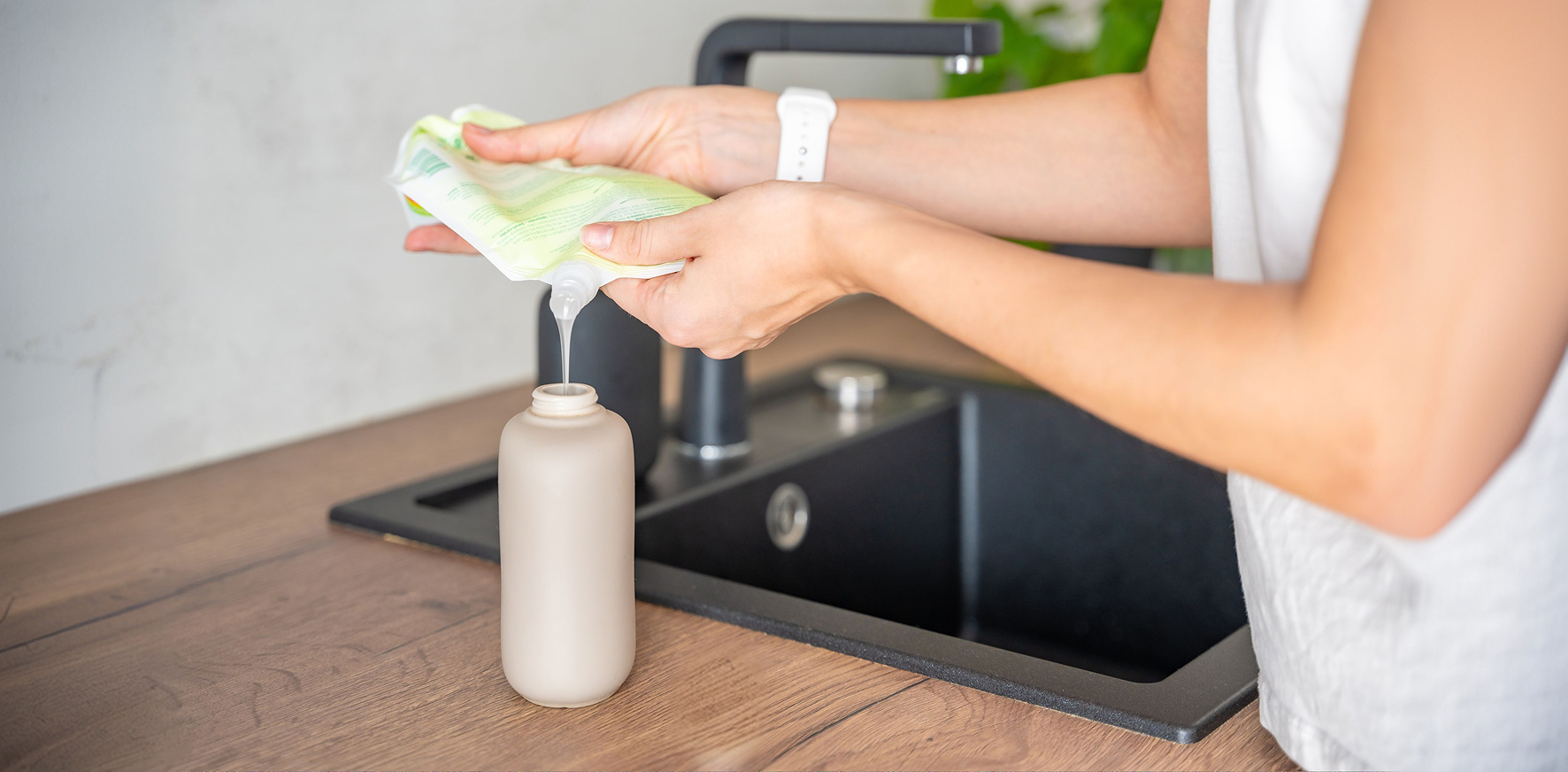
With individualized packaging, you control how the product is accessed or dispensed. For example, easy tear pouches, screw-top bottles and jars or plastic tubs with a peel-off lid are all examples of different ways to “serve” single serve foods and beverages. Controlling how much product is sold in each serving also gives you greater control over costs and margins.
Cons of Single Serve Packaging
- Environmental Impact
- Resource Intensive
- Production Costs
- You May Sell Less Product
Environmental Impact
This is a big one. Sustainability is a hot topic for consumers and brands alike, and packaging is a major culprit in creating environmentally-damaging waste. In 2018, packaging and containers accounted for almost one-third of MSW generated in the US, roughly 82 million tons. And in 2019, about 40% of plastic waste generated worldwide came from packaging.
Single serve packaging creates significantly more material waste compared to larger servings and bulk packaging. Single servings often come in plastic packaging, which is also single use, meaning it can’t be recycled and isn’t biodegradable. This adds to the environmental impact, which can damage your brand reputation with eco-minded shoppers.
Resource Intensive
The single serve packaging market is singularly resource intensive. More energy is required to produce and package individual servings. More materials are used. And packing individually requires more labor, either manual or machine.
On top of eating up more resources for production, single serve packaging also takes up more space on pallets and trucks, adding to fuel costs and carbon emissions and deepening the environmental impact. Whether sold individually or in bulk, single serve packaging is less efficient to produce, store and ship.
Production Costs
All of the above factors can also drive up production costs. By packaging products in individual servings, you’re probably going to incur higher expenses for raw materials. It’s more labor intensive. And you may have to invest in specialized equipment or machinery. Add to this the cost of ongoing maintenance, which also impacts your bottom line.
Supply chain complexity also tends to increase with single service packaging, raising costs even more. Inventory management, warehousing expenses and packaging logistics challenges all contribute to higher overhead, which may be a high price to pay for consumer convenience.
You May Sell Less Product
While single servings may be ideal for some products, for others selling smaller portions might equate to less sales. Budget-conscious shoppers tend to buy in bulk, for example, whether for a big family, for an office or organization, or just for the savings.
Not every consumer is health conscious, and sometimes people just want a big bag of whatever it is they’re craving. Before you opt for a single serve packaging solution, think about your product and your target market, and figure out what’s most important to them.

Explore Packaging Design Options with Ernest
Wondering if single serve packaging will deliver more pros or cons for your product? We’d love to talk about your needs and help you weigh up your options. Contact Ernest Packaging Solutions today to learn how we can help you find the perfect packaging solution for your brand and your customers.