Pros and Cons of Transparent Packaging
February 05, 2026
No matter what you’re selling, earning the trust of potential customers is the first step to making sales. And what better way is there to earn that trust than by being transparent? When it comes to packaging, you can literally do just that.
Clear packaging offers many advantages for brands and buyers. Depending on your product, it may come with some challenges, too. In this article, we’ll look at the pros and cons of transparent packaging so you can decide if it will benefit your product, your customers and your brand.

The Current State of Transparent Packaging
Transparent packaging has been gaining popularity with consumers, who like to see what they’re buying. This is especially true for fresh produce and meats, beauty products and high-dollar electronics, which is why the market is booming. Globally, the transparent plastic market was valued at $158.2 billion in 2025 and is expected to grow to $280.4 billion by 2035.
At the same time, clear packaging can be problematic for today’s eco-minded shoppers, because it’s typically made with single-use plastics. Non-recyclable packaging adds to the already massive amount of waste we produce each year, compounding the environmental impact. Because of this, some companies are looking to replace plastic packaging with more sustainable clear alternatives, like glass, biodegradable films made from bioplastics and even paper-based windows.

Advantages of Transparent Packaging
For many products, seeing what you’re buying is a clear advantage. (See what we did there?) The benefits for brands and customers include the following.
- Product Visibility
- Product Safety
- Packaging Options
- Relatively Low Cost
Product Visibility
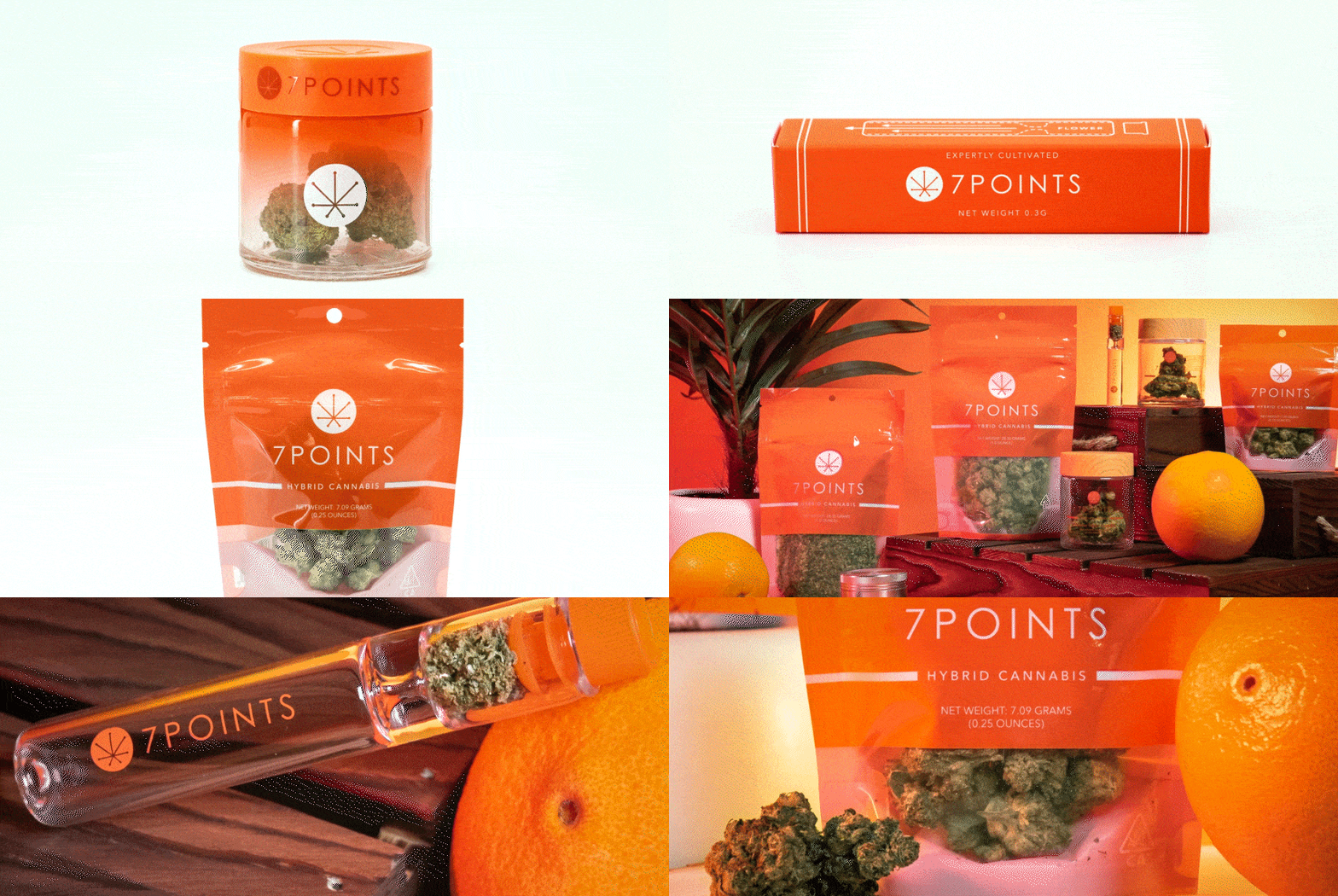
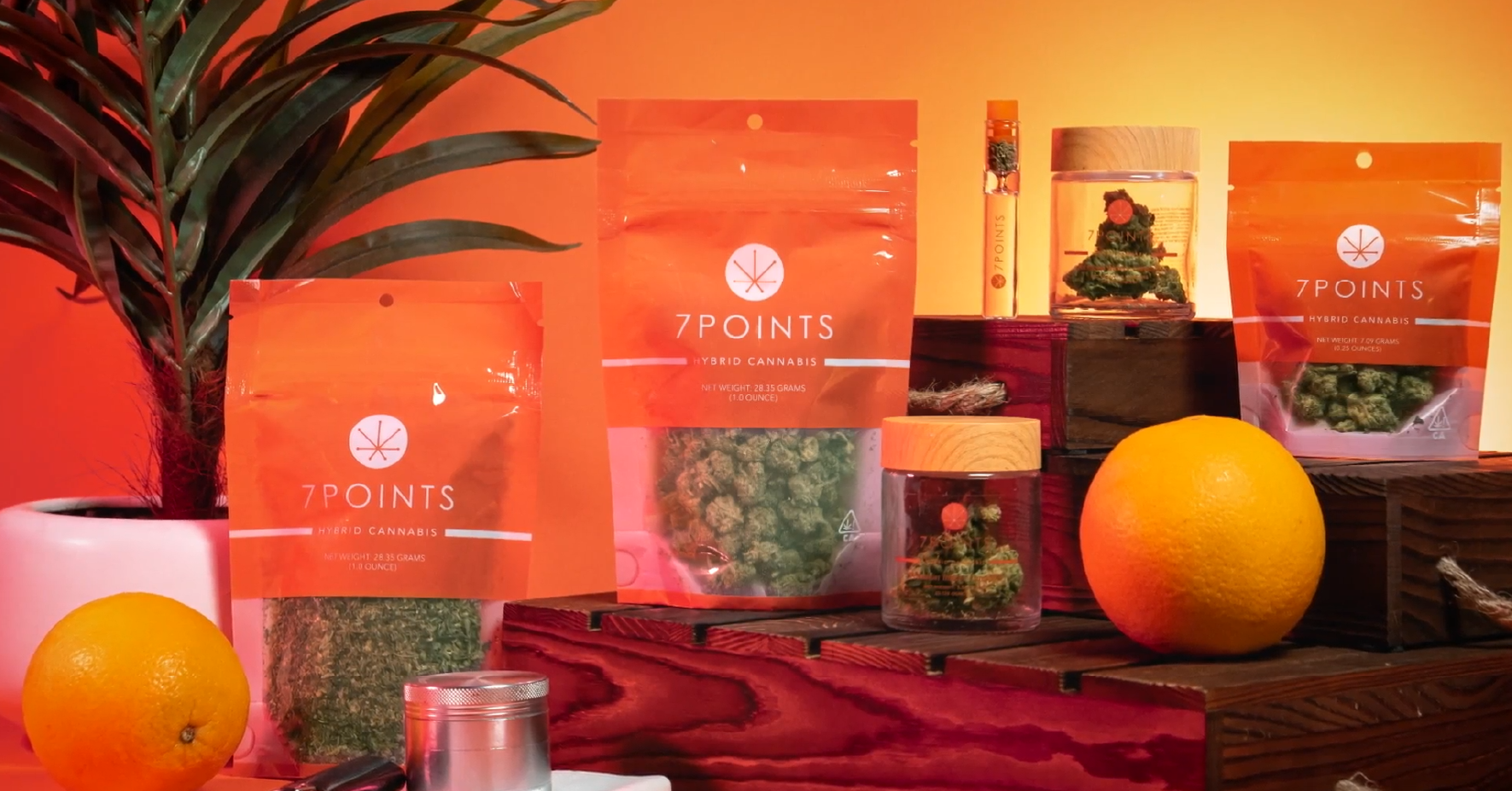
There’s nothing worse than getting home from a shopping trip and opening up something you’ve just bought only to discover it’s gone bad, or it’s not what you expected. Certain products beg to be seen by shoppers. For food and beverages (think produce, meat, seafood and dairy), visibility helps to ensure quality and freshness. You probably wouldn’t buy steak that’s in an opaque container, for example, because you can’t tell if it’s spoiled.
Transparent packaging boosts trust in your brand and confidence in your products, because you’re not hiding anything. Being able to see a product before they buy lets consumers judge the quality for themselves, which can also help to reduce returns and complaints. In addition to fresh foods and beverages, electronics and cosmetics brands often use clear packaging to display and ensure quality. Again, it’s all about building trust and confidence in your brand.
Product Safety
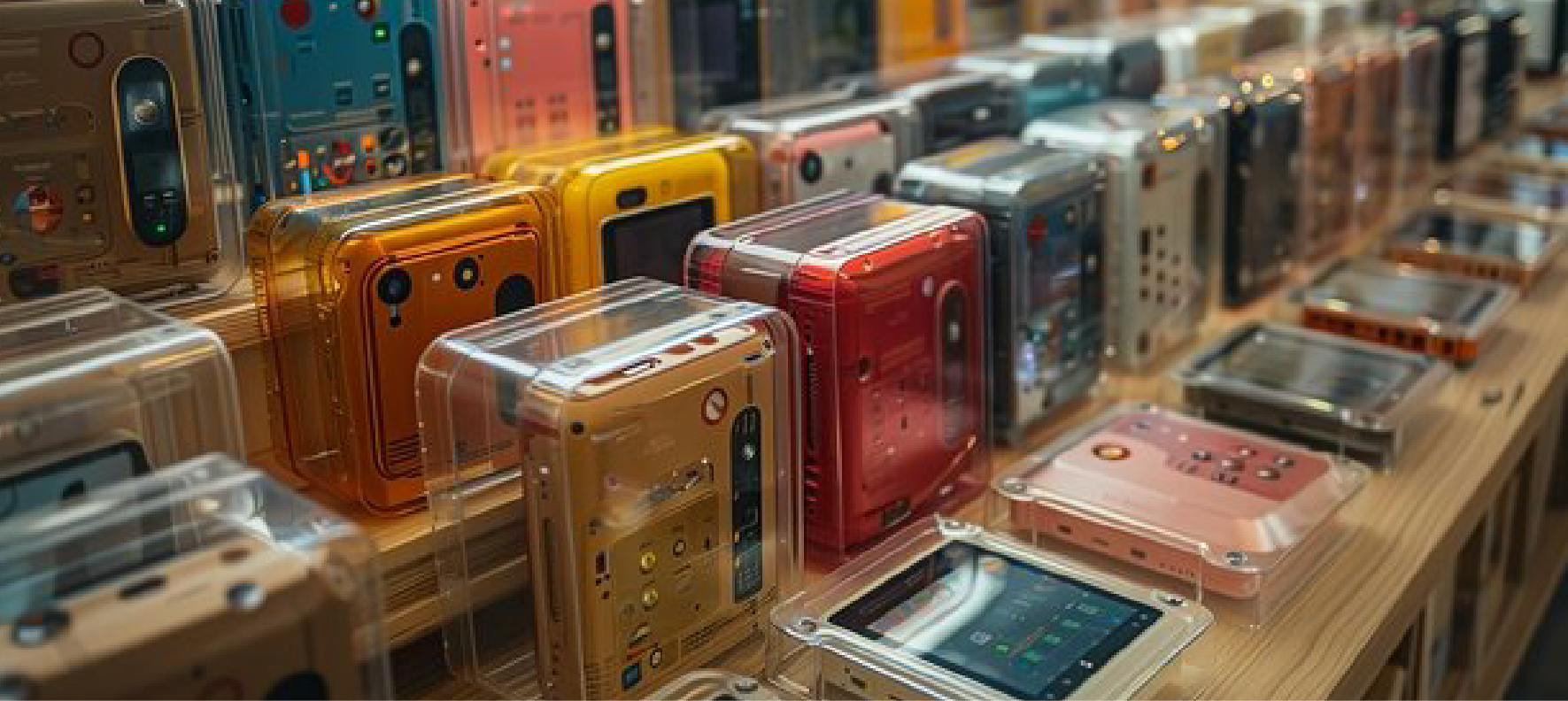
Clear packaging provides an added level of safety, because it’s highly durable and protects products during shipment. Certain types of transparent packaging, such as clamshells, are designed to be tamper-proof, ensuring product security. High-value electronics, for example, are often sold in clear, tamper-proof packaging that allows customers to see what they’re getting while also preventing theft.
For health and beauty products and pharmaceuticals, tamper-proof clear packaging is essential for consumer safety. Providing evidence of tampering helps to prevent accidental ingestion or contamination. For certain medicines and personal health products, it’s necessary to meet regulatory requirements, too.
Packaging Options
Thanks to industry innovation, many different kinds of transparent packaging are available, either off-the-shelf or custom designed. That means you’ve got a lot of options to choose from, depending on the size, shape and weight of your product. Stretch films or wraps that add transparency while also securing products in place are often used together with a plastic or Styrofoam tray, for example. Clear plastic bags are popular for magazines, sweets and clothing. And clear windows can be added to any box, bag or carton to add a visibility factor.
Transparent packaging materials including films, plastic sheets and other polymers are also highly versatile. These materials are ideal for creating customized packaging solutions designed to fit odd shaped products or meet specialized needs. Plus, you can print directly onto clear packaging materials to boost brand recognition and make your product pop on the shelf.
Relatively Low Cost
Whatever business you’re in, the bottom line always matters. One reason transparent packaging materials are so popular is that they tend to be relatively affordable. Opting for transparent packaging can help you control production and manufacturing costs. Plus, the long-term durability of clear plastics helps to prevent product damage, losses and returns during shipment, storage and delivery.
The versatility of transparent packaging materials also makes for quick turnaround times when it comes to manufacturing. And because most clear plastics are lightweight, they can help you save on freight and shipping costs, too. If you’re looking to enhance overall operational efficiency, consider switching to a low-cost transparent packaging solution.
Disadvantages of Transparent Packaging
Now let’s look at the other side of the coin. While transparent packaging offers many benefits, it also comes with some disadvantages that you should take into consideration when weighing your options.
- Environmental Impact of Plastics
- Health Concerns
- Product Damage
- Lack of Packaging Design
Environmental Impact of Plastics
Sustainability is a hot topic for consumers and businesses alike. With public sentiment shifting towards eco-friendliness and reducing environmental impact, many shoppers look for products that use sustainable packaging. This includes recycled and recyclable materials as well as biodegradable plastics and reusable packaging. Unfortunately, most transparent plastics are single use, meaning they can’t be recycled and are likely to end up in landfills.
Our ecommerce-crazed world generates a staggering amount of packaging waste. In the US alone, the EPA estimates 30.5 million tons of municipal solid waste from packaging materials ends up in landfills each year. At the same time, consumers are looking to support brands that are doing their part for the environment; the sustainable packaging market is projected to grow from $285.3 billion in 2024 to $490.5 billion by 2034. Something to keep in mind if considering non-recyclable transparent packaging.
Health Concerns
Plastic packaging has been popular since the 1950s, but in recent years health concerns have been raised in relation to specific chemicals used to make plastics and resins. Bisphenol A (BPA) is found in the polycarbonate plastics often used in clear food and beverage packaging, including water bottles. Research suggests BPA can seep into the contents of this type of packaging, posing health risks, particularly for young children and infants. Exposure to heat may increase the risk.
Phthalates are a type of chemical primarily used to make plastics, especially PVC, more flexible. These chemicals also pose a health risk, disrupting the body’s hormone system, which can lead to significant health issues. While the FDA currently allows nine phthalates to be used in “food contact applications,” health-conscious consumers are likely to steer away from plastic packaging due to these perceived risks.
Product Damage
Visibility may be a benefit for consumers, but it can be a drawback for product protection. Clear packaging exposes products to direct sunlight, which can cause them to fade, change color or become brittle, depending on the product. Sun bleaching can affect both the product and the packaging, especially if there’s prolonged UV exposure.
For fresh produce, dairy and meats, this can be a serious health issue, shortening shelf life by making food rot faster. Quality is essential to the customer experience, so if transparent packaging is going to degrade the quality of your product, it’s probably not the smartest solution.
Lack of Packaging Design
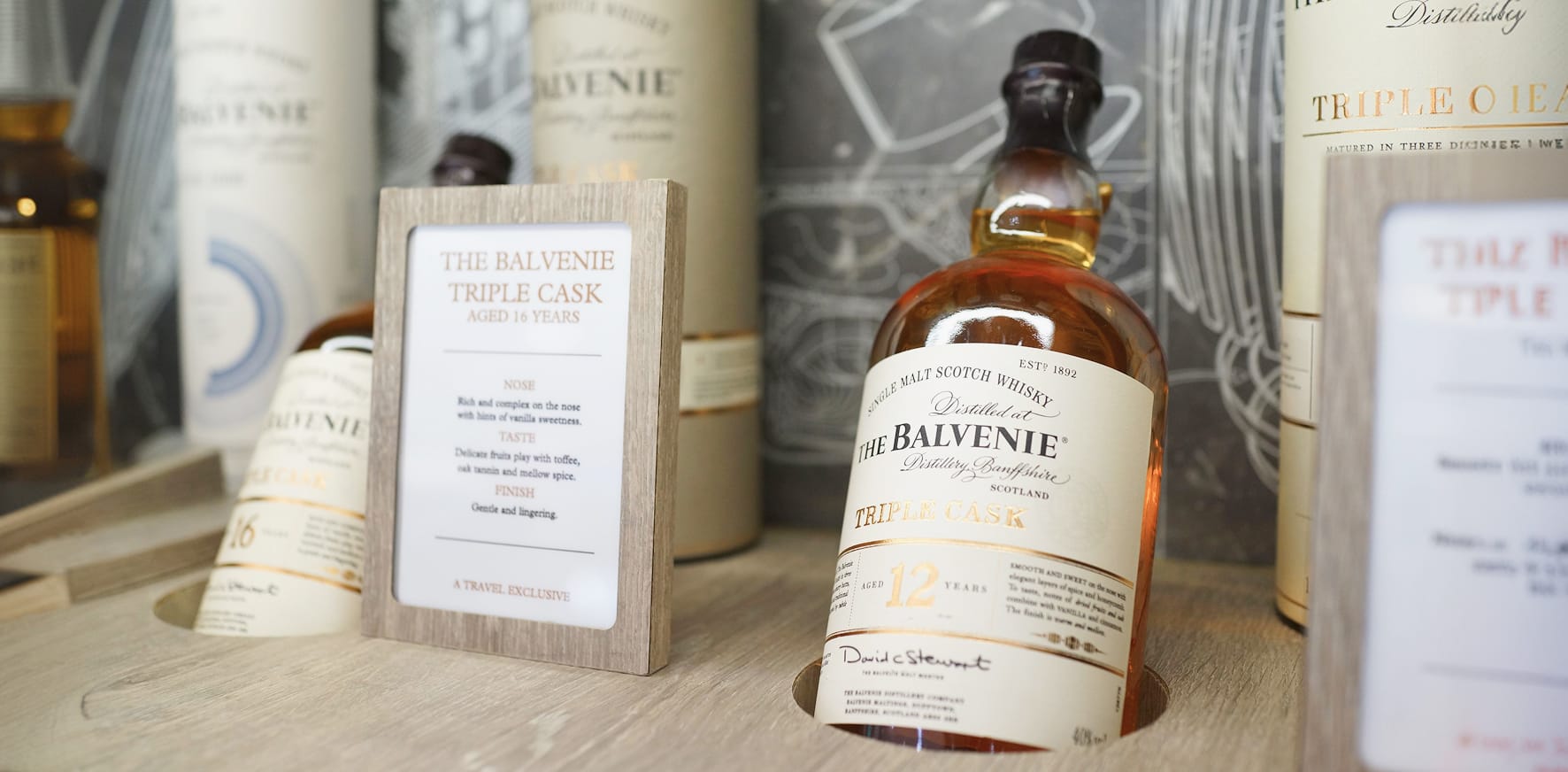
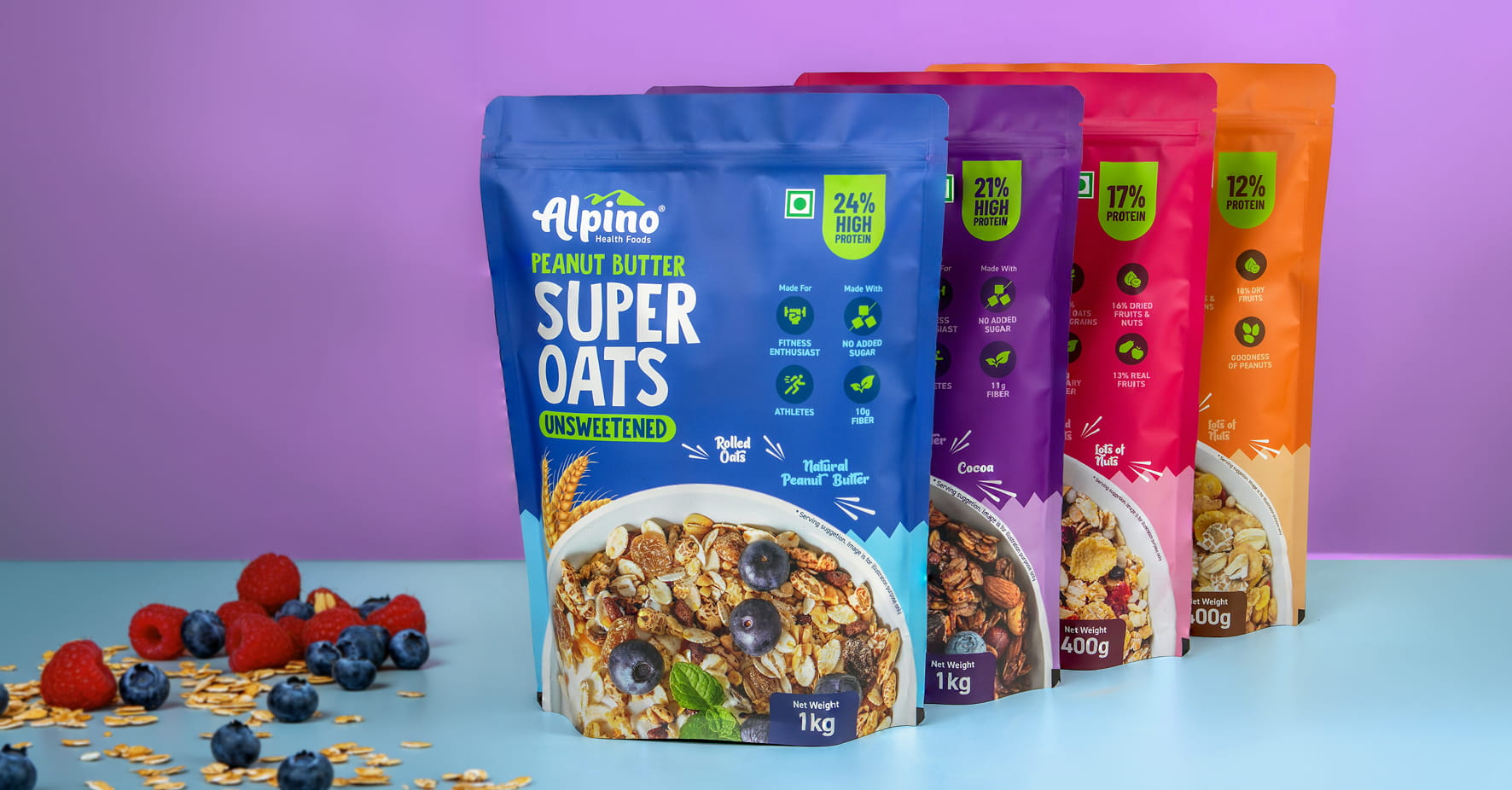
While clear packaging comes in many forms, it does have some limitations when it comes to design and branding. For one thing, the product itself becomes part of the overall visual, so you have to take that into account when designing the packaging solution. Compared to opaque materials like cardboard, paper or even non-transparent plastics, including your brand message on transparent packaging can be a challenge.
Packaging has many purposes, and communicating your brand story is one of its most important jobs. You’ve probably worked hard to establish a strong, consistent and recognizable brand, including your logo, color pallet and messaging. Transferring that onto a transparent packaging solution can be tricky. Doing it poorly puts your brand reputation and image at risk. So, if you do opt for clear packaging, think carefully about the best way to maintain brand recognition and communicate your values.

Create a Winning Formula with Ernest
At Ernest Packaging Solutions, we turn your packaging into an optimized marketing billboard at the point-of-sale to ensure it gets consumer attention, delivers the right message and makes its way into more shopping carts. We do this for clients across all industries, all over the country, every single day. And the best part? We can help streamline your process and equipment to make the transition a piece of cake (or a piece of steak).
Get in touch today to see how we can engineer a custom package design that will stand up to the most detailed inspection.