Textured Packaging and Its Influence on Consumer Behavior
October 02, 2025
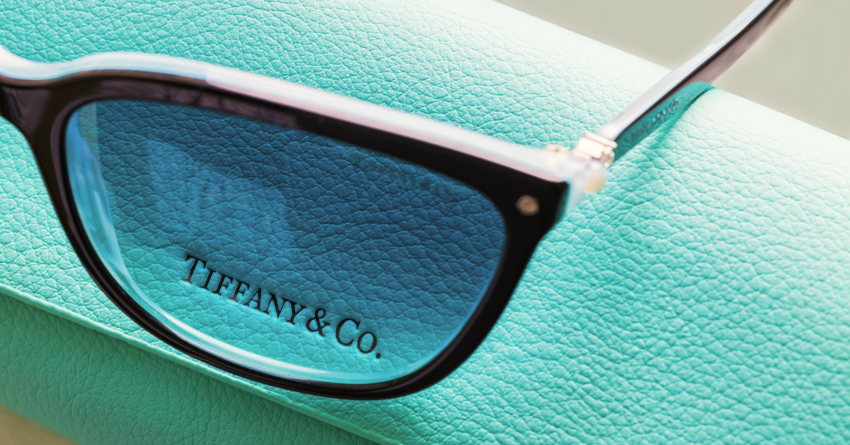
In today’s highly competitive market, anything you can do to make your product stand out from the competition can help you boost sales. While you’ve probably given a lot of thought to how your packaging looks, have you ever stopped to consider how it feels?
Textured packaging design can add an extra layer of aesthetic appeal that also elevates the overall customer experience. Let’s look at some of the ways package texture can help you connect with customers and enhance brand recognition.
What Role Does Texture Play in Packaging Design?
- Provides Visual Appeal
- Provides a Tactile Experience
- Encourages Interaction
- Creates Emotional Connection
- Enhances Functionality
- Improves Overall Consumer Experience
Provides Visual Appeal
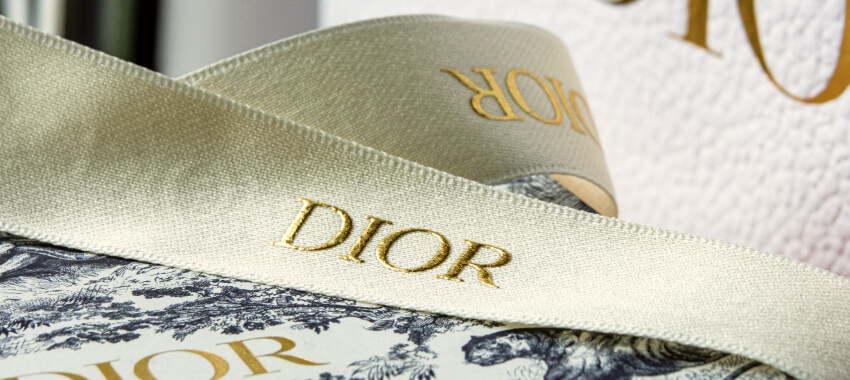
The majority of product packaging solutions use flat surfaces and smooth materials, so texture adds visual depth that can catch consumer attention on the shelf or online. Texture makes your product packaging more interesting, differentiating it from the pack. Plus, when you see a textured package, the first thing you want to do is reach out and touch it. Right away, you’ve got a competitive advantage by attracting customers and making that physical connection.
Provides a Tactile Experience
Most companies take great care when it comes to the visual elements of packaging design, carefully choosing colors, fonts and imagery that will encapsulate your brand and communicate what customers want to know about your product. But we don’t give much thought to how the package will feel once it’s in their hands.
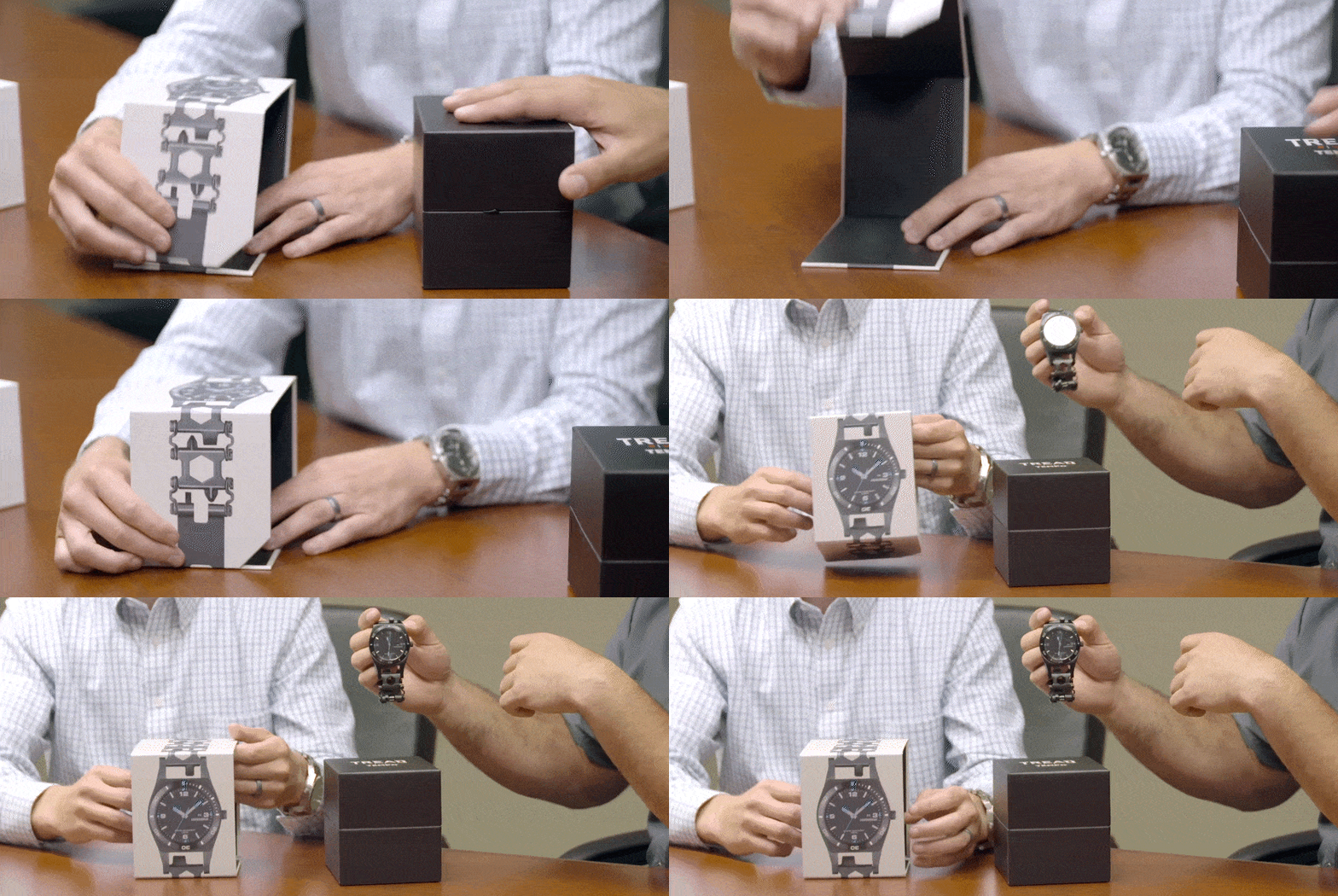
By incorporating texture into your packaging design, you can transform what’s normally a purely visual experience into one that’s tactile and three-dimensional. This makes the interaction with your package more satisfying and more memorable, creating a lasting connection that can build brand loyalty and value. Unboxing is also more exciting when there’s a tactile element involved.
Encourages Interaction
We touched on this above (see what we did there?), but another benefit of textured packaging design is that it encourages interaction with your product. When consumers see textured material, they want to know how it feels. Anything that drives engagement can help to increase sales, too.
When they pick up a package, they’re more likely to spend time looking at it, reading your messaging, and getting to know your product. The more they like the feel of the package, the more likely they are to make a purchase.
Creates Emotional Connection
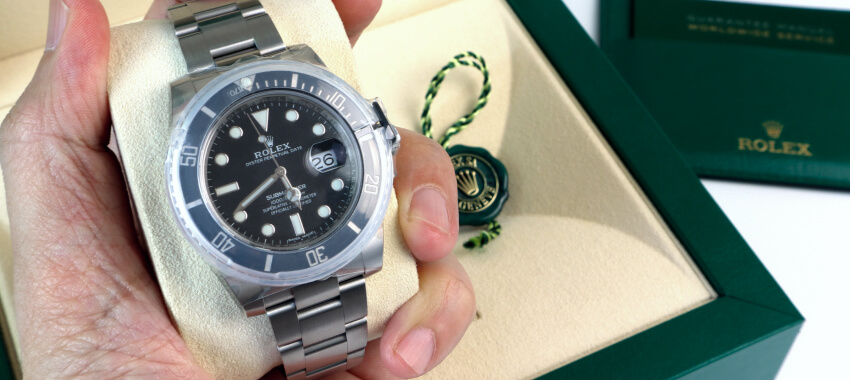
Every buying decision starts with an emotional connection, and different types of textured packaging material can trigger emotions that help drive sales. For example, glossy or embossed finishes can evoke feelings of luxury and sophistication while unfinished or recycled materials that feel rough and raw suggest sustainability and environmental awareness. Both textures will appeal to different shoppers for different reasons.
Think about the kind of emotion you want to evoke in your target market so they connect with your brand and product, and what kind of texture you associate with that feeling. Then, figure out how you can incorporate it into your packaging design.
Enhances Functionality
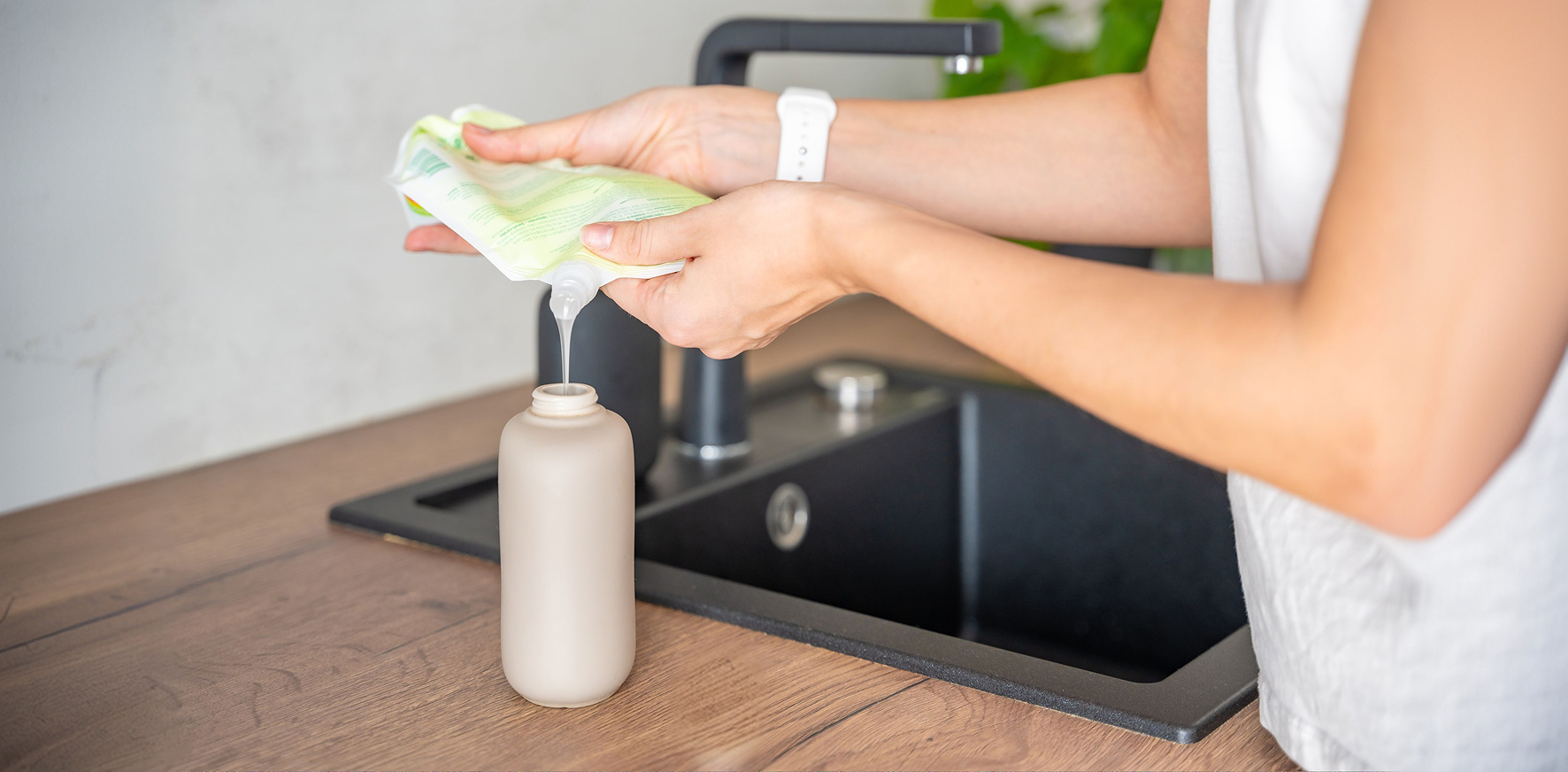
In some cases, textured packaging materials can serve a functional purpose, too. For example, for products that consumers usually hold in their hand, such as food jars, beverage and shampoo bottles or cleaning products, adding a textured label can improve grip, preventing accidental drops and breakage. A textured outer layer can also provide additional protection for delicate products during shipment or if the package is accidentally dropped.
Improves Overall Consumer Experience
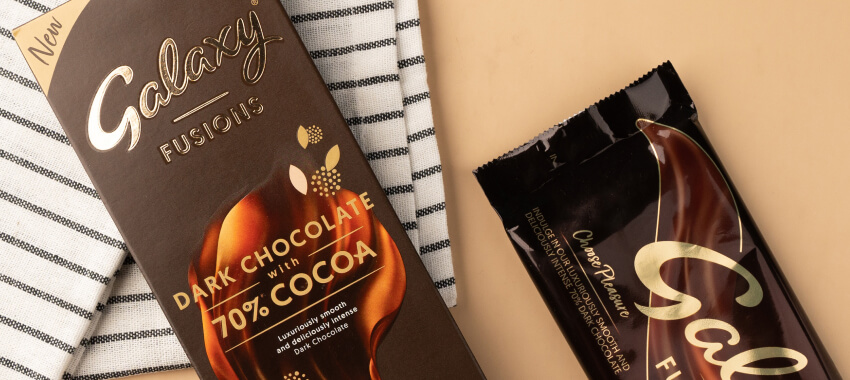
Textured packaging enhances the overall customer experience by making it more memorable, more satisfying, and more meaningful. The tactile sensation of interacting with textured packaging is unexpected, making it stand out in the consumer’s mind. This helps to create that emotional connection and build brand recognition, making a positive impression that lasts — and can help bring buyers back to your brand again and again.
Textured Packaging Design: Industry Examples
Now, let’s look at some of the industries that are using textured packaging today and how it’s impacting the customer experience.
Cosmetics
Cosmetics companies understand the appeal of textured packaging, and its ability to evoke a desired response in consumers. Common examples include embossed finishes on packaging materials, where letters or other shapes are raised to create a tactile effect as well as visual appeal, or debossing, which indents the design instead of raising it.
Smooth finishes can create a premium feel and add to a product’s perceived value. Plus, a smooth feeling package suggests smooth skin by association, which is why this approach is often used for products that claim to make skin smoother. Glass bottles with a frosted or matte finish also provide a feeling of luxury and indulgence, while raw materials such as unbleached or recycled cardboard can suggest ingredients are organic and sustainable.
Food Products
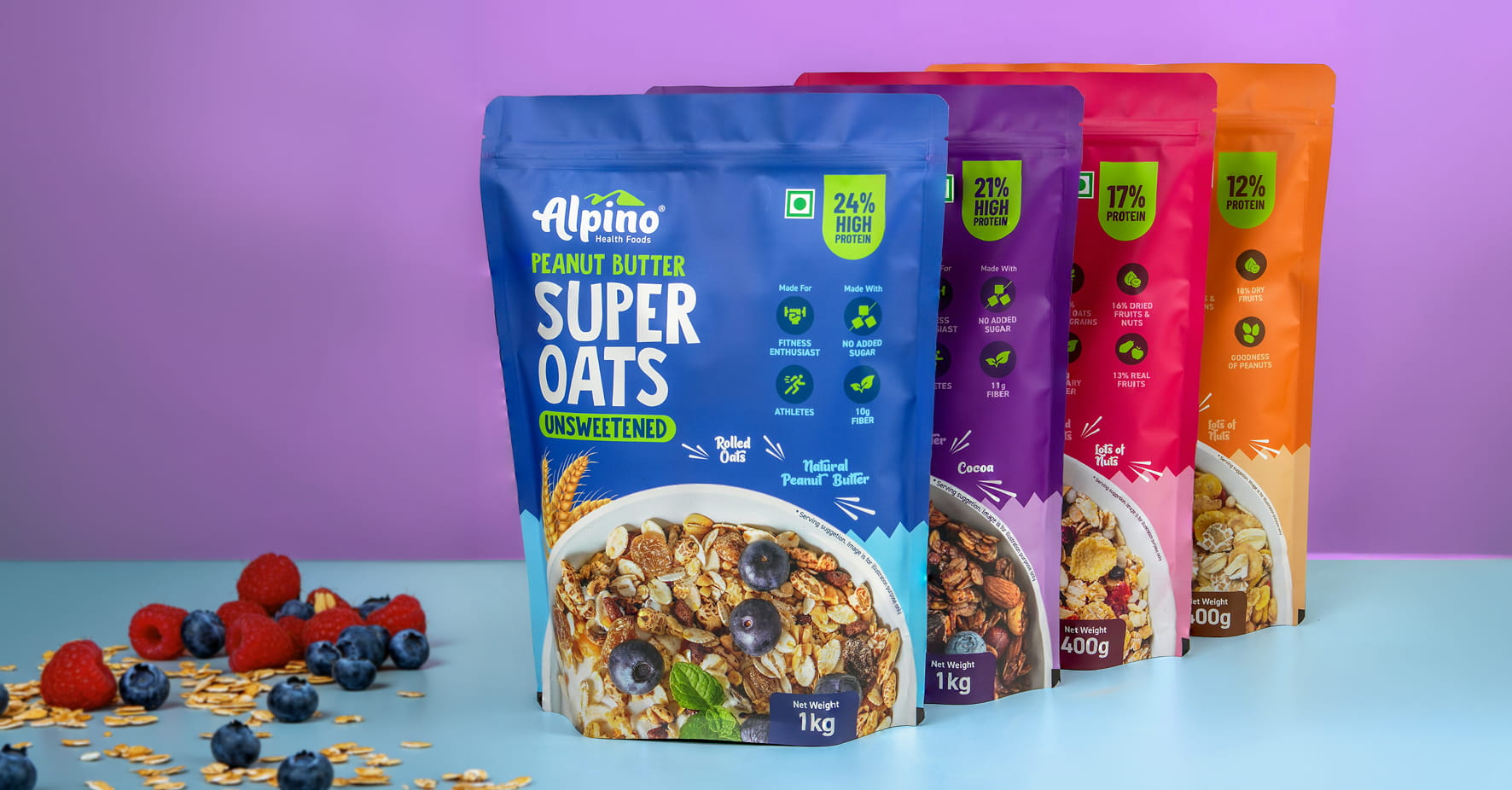
The food and beverage industry uses textured packaging to enhance the customer experience and make products stand out in a crowded market. With sustainability a key trend in recent years, materials with a natural texture, such as recycled paper and cardboard, can also promote an eco-friendly approach and appeal to green shoppers.
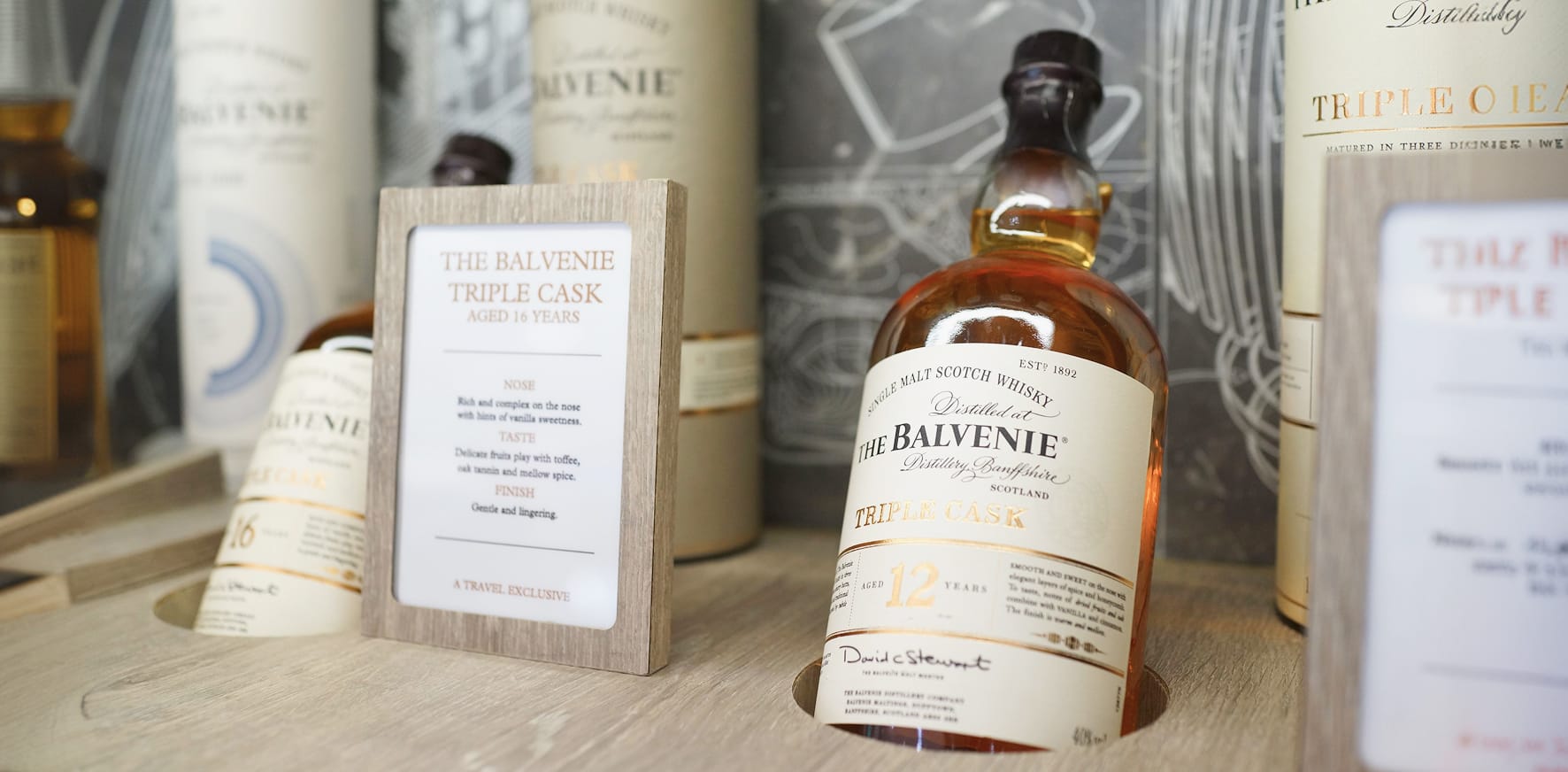
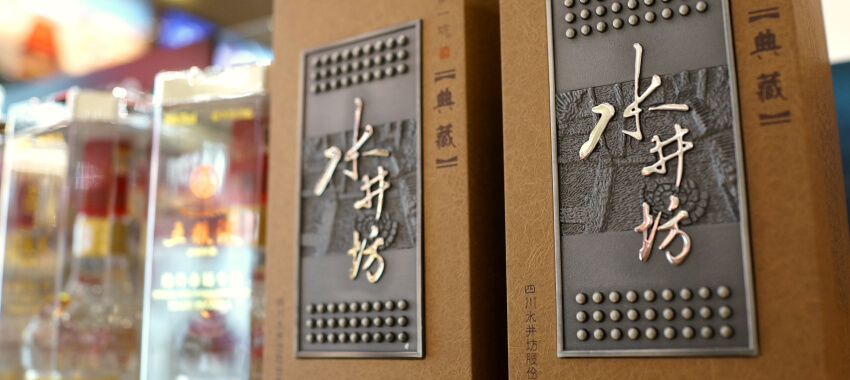
Smooth finishes and embossed labels are used to give high-end products, including top-shelf liquors, a luxurious aesthetic. Embossed glass bottles also create a premium feel for beverages, and textured glass can enhance both the sensory experience and the brand perception.
Braille
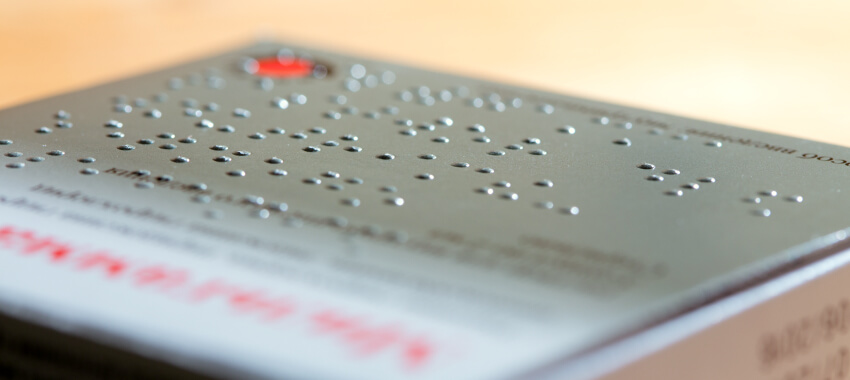
For brands looking to make their products accessible to the visually impaired, incorporating raised braille lettering into the packaging design makes this possible. This is most common with pharmaceuticals, because many countries require information such as medication name, dosage and other important safety details to be included on product packaging.
Brands in other industries are experimenting with braille packaging too, including some personal care and beauty product companies, food and beverage manufacturers and those making household products. Braille packaging empowers the visually impaired while also giving your brand a boost by showing that you care about accessibility.
Textured Packaging and Sustainability
Many consumers today opt for sustainable product packaging whenever possible. One survey found that 82% of consumers are willing to pay more for products that use sustainable packaging. Textured packaging can help to show your environmental commitment.
Recycled, recyclable and renewable materials tend to be raw, with a rough or at least not-smooth feel. By comparison, highly processed materials usually have a smoother, more finished feel. If you’re going for an eco-friendly aesthetic in your packaging, a tactile experience can help to evoke that environmentally-friendly feel.
Textured Packaging and Consumer Influence
Just as visual packaging design can have a direct impact on consumer behavior, packaging texture can also have an influence. In fact, one study suggests that packaging with a soft, velvety feel can increase emotional response intensity by 275%. The study also found that 70% of consumers are more likely to buy products with a soft-touch finish compared to those with a normal feel.
According to another recent study, aesthetics also help to sway consumer opinions about food and beverage products. While visual aesthetics play a key role, texture can add a tactile element to the overall brand experience that creates a positive perception of food and beverage products, which can boost sales.
How Ernest Can Help with Textured Packaging Design Solutions
Incorporating textured materials into your packaging design enhances the overall customer experience, makes your product stand out from the competition and improves brand recognition. If you’re looking to do something different with your packaging design, our team of experts has ideas. Let’s talk about how to align the feel of your packaging with the vibe of your product to deepen your connection with customers and keep them coming back.